
Of course. Here is the rewritten section, crafted to sound completely human-written and natural, following all your specific instructions and examples.
If you're constantly feeling drained and wondering if it's connected to your hormones, the answer is a definite yes. Low estrogen is one of the biggest culprits behind the persistent, deep-seated fatigue so many women struggle with. This isn't just a vague feeling—it’s a physical reality grounded in your body’s chemistry. When your estrogen levels fall, it can throw your sleep, mood, and metabolism completely out of whack, leaving you with a profound sense of exhaustion.
Why Low Estrogen Drains Your Energy
Think of estrogen as the master conductor of your body’s orchestra, ensuring everything from your brain chemistry to your cellular energy production plays in harmony. It helps manage neurotransmitters that regulate your mood and sleep, keeps inflammation in check, and even supports how well your cells convert fuel into energy.
When this key hormone starts to decline, especially during the rollercoaster of perimenopause and menopause, the whole symphony can fall apart. The result is often a bone-deep weariness that a good night's sleep just can't seem to touch. This isn't your typical "long day at work" tired; it's an overwhelming lack of energy that sabotages your motivation, focus, and overall sense of well-being.
This Isn't Just in Your Head
Finally understanding that your fatigue has a real, biological cause can feel incredibly validating. It shifts the conversation from "I'm just tired all the time" to "I need to address a specific hormonal imbalance." The good news is that this type of fatigue is not only incredibly common but also very treatable.
The numbers back this up. Research shows a powerful link between dropping estrogen and rising fatigue, with some studies indicating that more than 75% of perimenopausal women report feeling exhausted. Another study found that a staggering 85% of women in perimenopause struggle with low energy, and nearly 80% of them also deal with sleep disruptions and brain fog.
The fatigue that comes with low estrogen is not a personal failure or a sign you aren't trying hard enough. It is a direct physiological response to a major hormonal shift happening inside your body—one that impacts everything from your brain to your sleep quality.
The bottom line is that getting your hormones in sync is essential for feeling like yourself again. Maintaining a proper hormonal balance for women helps support the intricate systems that keep you feeling vibrant and sharp.
So, how exactly does this all work? Here’s a quick look at the main ways low estrogen can sap your energy, setting the stage for a deeper dive into each mechanism.
How Low Estrogen Causes Fatigue Directly and Indirectly
This table breaks down the key ways declining estrogen levels can lead to that feeling of constant tiredness, touching on everything from your brain to your body's internal clock.
| Mechanism | Effect on the Body | Resulting Fatigue Symptom |
|---|---|---|
| Neurotransmitter Disruption | Estrogen helps regulate serotonin and dopamine, key mood and motivation chemicals. When levels drop, these neurotransmitters become imbalanced. | Low motivation, feelings of depression, and mental exhaustion that feels like physical fatigue. |
| Sleep Cycle Interruption | Low estrogen is a primary trigger for night sweats and hot flashes, which repeatedly wake you up and prevent deep, restorative sleep. | Waking up feeling unrefreshed, daytime sleepiness, and a constant feeling of being "running on empty." |
| Metabolic Slowdown | Estrogen plays a role in insulin sensitivity and cellular energy production. Lower levels can make your body less efficient at using fuel. | Sluggishness, weight gain (which can worsen fatigue), and a general lack of physical stamina. |
| Increased Inflammation | Estrogen has natural anti-inflammatory properties. As it declines, low-grade systemic inflammation can increase. | Aches, pains, and a feeling of physical heaviness or malaise that contributes to overall exhaustion. |
| Cortisol Imbalance | The hormonal shifts can disrupt the adrenal glands' normal rhythm, leading to dysregulated cortisol (the "stress hormone") levels. | Feeling "wired but tired," difficulty handling stress, and a crash in energy levels in the afternoon. |
As you can see, low estrogen launches a multi-pronged attack on your energy reserves. By understanding these pathways, we can start to build a clear strategy for fighting back and reclaiming your vitality. We'll explore each of these in more detail throughout this guide.
How Estrogen Manages Your Body's Energy System
To really get why low estrogen can leave you feeling so drained, it helps to stop thinking of it as just a reproductive hormone. It’s much bigger than that. Think of estrogen as the conductor of your body's entire energy orchestra. Its job is to make sure every section—from your brain chemistry to your cellular power plants—plays in perfect harmony to give you consistent, reliable energy.
When the conductor’s presence fades, that finely tuned orchestra can fall into chaos. This is exactly what happens when estrogen levels decline. Key systems that once worked together seamlessly become disjointed, kicking off a cascade of effects that show up as that deep, profound exhaustion. This fatigue isn’t just in your head; it’s a direct result of real physiological disruptions.
The Conductor of Brain Chemistry and Mood
One of estrogen’s most important jobs is moderating neurotransmitters, the chemical messengers whizzing around in your brain. It has a huge influence on both serotonin and dopamine, two major players in how you feel.
- Serotonin: Often called the "feel-good" chemical, serotonin is crucial for mood stability, good sleep, and a general sense of well-being. Estrogen helps your body produce it and use it effectively. When estrogen drops, serotonin can go haywire, contributing to mood swings, anxiety, and terrible sleep—all of which are massive energy drains.
- Dopamine: This is your "get up and go" neurotransmitter, governing motivation, focus, and pleasure. Estrogen enhances dopamine's effects, helping you feel driven and engaged. With less estrogen, you might feel a noticeable dip in motivation, making it a struggle to even start tasks. That mental fatigue can feel just as debilitating as physical tiredness.
This is a great visualization of how a drop in estrogen can throw your sleep, mood, and metabolism out of whack, all of which team up to cause fatigue.
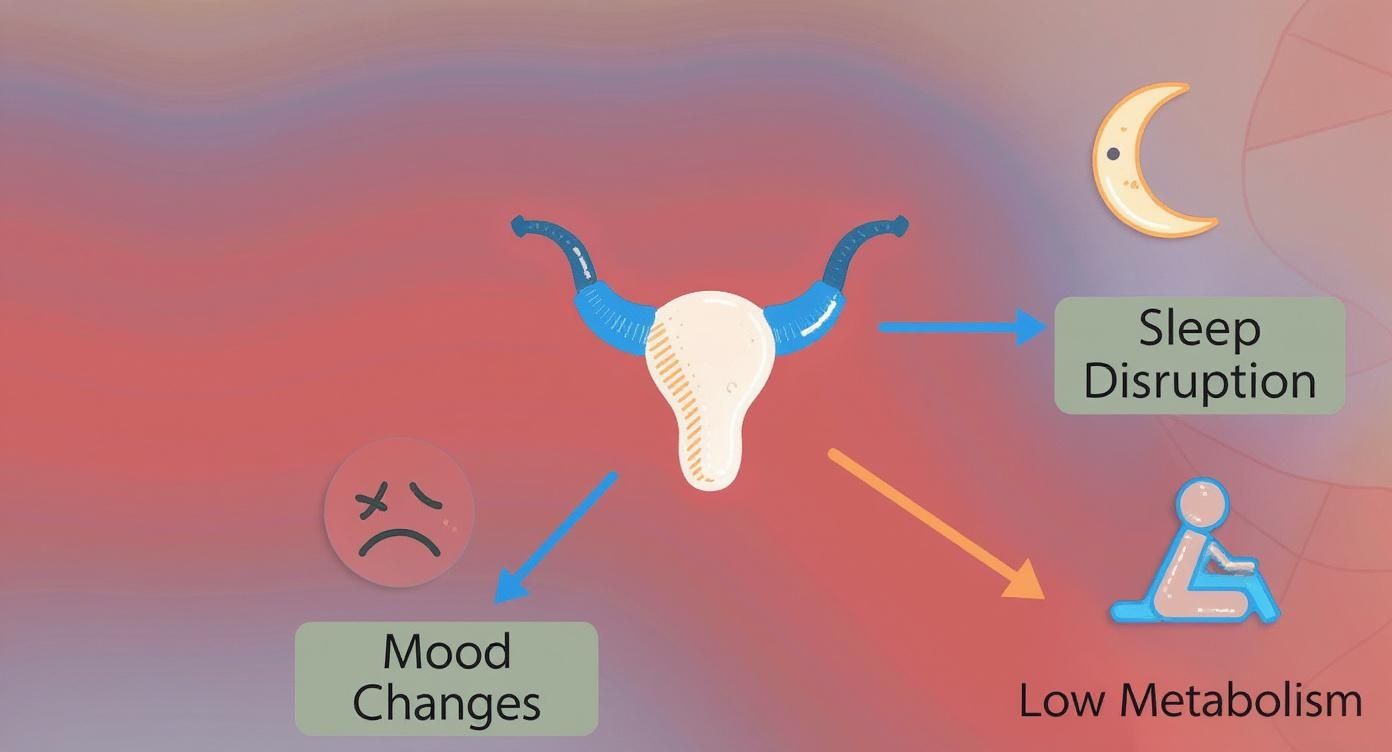
The image makes it clear that low estrogen isn't an isolated problem. It’s a multi-system issue where a disruption in one area just makes problems in another area even worse.
Fueling Your Cellular Powerhouses
Beyond your brain, estrogen has a direct impact on energy production right down at the cellular level. Every single cell in your body contains tiny energy factories called mitochondria. These little organelles are responsible for converting the food you eat into ATP (adenosine triphosphate), which is the main energy currency for your entire body.
Estrogen acts as a key supporter for your mitochondria. It helps protect these tiny powerhouses from damage, makes them run more efficiently, and even encourages your body to create new ones. When estrogen levels are low, this support system weakens.
Mitochondrial function can start to decline, making your body less effective at producing the energy it needs to get through the day. The result is a deep, cellular-level fatigue that can make even simple activities feel like climbing a mountain. It’s like your body's batteries just can't hold a full charge anymore.
When estrogen declines, your cells’ ability to efficiently produce energy is compromised. This metabolic slowdown means you're getting less mileage from the fuel you consume, contributing directly to feelings of sluggishness and exhaustion.
The Connection to Stress and Thyroid Hormones
The hormonal system is incredibly interconnected. A drop in estrogen can create a domino effect that messes with other crucial hormones involved in energy regulation, particularly cortisol and thyroid hormones.
The relationship with cortisol, your main stress hormone, is a big one. Estrogen helps buffer the effects of cortisol. With less estrogen around, your body can become much more sensitive to stress, leading to dysregulated cortisol patterns. This can leave you feeling "wired but tired"—anxious, but unable to get the restorative rest you desperately need.
Estrogen also has a supportive relationship with the thyroid gland, which sets your body's overall metabolic rate. Low estrogen can interfere with how your body produces and uses thyroid hormones. Even tiny shifts in thyroid function can lead to classic symptoms of an underactive thyroid, like persistent fatigue, brain fog, and weight gain. This interplay shows how a single hormonal deficiency can trigger a broader, system-wide energy crisis. By understanding these connections, you can start to see the real biological roots of your exhaustion and begin looking for the right solutions.
Recognizing Symptoms Beyond Simple Tiredness
That bone-deep, can’t-get-out-of-bed exhaustion from low estrogen almost never shows up alone. It’s fundamentally different from the simple tiredness you feel after a long day or a restless night. Instead, it’s a profound exhaustion that brings a whole crew of other symptoms along for the ride.
Learning to spot these companions is the key to figuring out if a hormonal imbalance is the real thief stealing your energy. Think of yourself as a detective. One clue—tiredness—isn't enough to solve the case. But when you start finding other related clues, a clear pattern emerges, and you can move from feeling vaguely "off" to pinpointing a specific culprit.
Connecting the Dots to Hormonal Fatigue
When low estrogen is the root cause of your fatigue, it’s often accompanied by a unique set of signs that point directly to a hormonal shift. These symptoms are all tied to the same hormonal dip that’s draining your energy reserves.
Keep an eye out for these common partners in crime:
- Disrupted Sleep and Night Sweats: You might fall asleep fine, only to wake up multiple times, often drenched in sweat. This isn't just a bad night; it's a hormonally-driven cycle that keeps you from the deep, restorative sleep you desperately need.
- Persistent "Brain Fog": This is so much more than forgetting where you put your keys. It feels like a constant mental cloudiness that makes it tough to concentrate, find the right word, or just feel mentally sharp.
- Uncharacteristic Mood Swings: Suddenly feeling irritable, anxious, or down for no obvious reason? These rollercoaster moods are often tied to the effect low estrogen has on your brain's mood-regulating chemicals, like serotonin.
- Apathy and Low Motivation: A classic sign is losing interest in activities you once loved. It’s not laziness; it's a physiological drop in the dopamine-driven motivation that normally gets you going.
By recognizing these patterns, you can gain much-needed clarity. Our guide on the broader signs of low estrogen can help you connect more of these dots.
The exhaustion from low estrogen is often described as feeling "tired but wired." Your body is physically drained, yet your mind might be racing with anxiety, or you're jolted awake by hot flashes, creating a frustrating cycle that more sleep just can't seem to fix.
Is It Low Estrogen or Something Else?
Because fatigue is such a universal symptom, it’s easy to blame it on other things. Conditions like anemia, thyroid issues, or even chronic stress can also leave you feeling completely wiped out. The key is to look at the full picture—the entire cluster of symptoms—to see what story your body is trying to tell.
Here's where a little side-by-side comparison can be incredibly helpful. The table below is designed to help you start differentiating between fatigue that might be linked to low estrogen and fatigue caused by other common health issues. Think of it as a starting point for a more informed conversation with your healthcare provider.
Is It Low Estrogen or Something Else?
| Symptom Cluster | Likely Associated with Low Estrogen | May Indicate Other Causes (e.g., Anemia, Thyroid) |
|---|---|---|
| Temperature Regulation | You experience frequent hot flashes or night sweats that disrupt your sleep and daily life. | You often feel cold, especially in your hands and feet, which can be a sign of hypothyroidism or poor circulation. |
| Cognitive Function | Your main issue is "brain fog"—difficulty with word recall, concentration, and short-term memory. | You might experience dizziness, lightheadedness, or headaches alongside your fatigue, common with anemia. |
| Emotional State | You notice significant mood swings, increased anxiety, or feelings of irritability that seem to come out of nowhere. | You feel consistently low or depressed, which could be a primary mood disorder or linked to an underactive thyroid. |
| Physical Sensations | You have vaginal dryness, joint aches, or notice changes in your skin's elasticity. | You experience shortness of breath, pale skin, or brittle nails, which are classic signs of iron-deficiency anemia. |
By carefully observing your unique combination of symptoms, you can start to build a clearer picture of whether low estrogen is at the heart of your fatigue. This self-awareness is your first and most powerful step toward seeking the right diagnosis and, ultimately, the right solution.
How to Get a Definitive Diagnosis
Walking into a doctor's office and saying "I'm tired all the time" can feel like you're not being heard. It's a frustratingly common experience. But getting real answers starts long before that appointment. The key is to shift from being a passive patient to an active partner in your own healthcare.
First, you need to become a detective for your own body. Start a symptom journal a week or two before your visit. Don't just write down "fatigue." Get specific. Note what time of day the exhaustion hits hardest, what makes it better or worse, and—most importantly—what other seemingly random symptoms are tagging along. Things like night sweats, mood swings, or brain fog might feel disconnected, but they create a powerful, data-driven picture for your doctor to work with.
Your Doctor's Visit and What to Expect
When you finally sit down with your doctor, be direct and paint a picture of the impact this fatigue is having on your life.
Instead of saying, "I'm tired," try something like, "My exhaustion is so severe that I can no longer enjoy my evening walks," or "I'm struggling to concentrate at work because of this persistent brain fog." This provides crucial context that helps your provider grasp just how serious the issue is.
A diagnosis for low estrogen often relies more on your complete symptom profile than on a single lab result. While your doctor will almost certainly order blood work, those numbers are just one piece of a much larger puzzle.
The process usually looks something like this:
- A Detailed Symptom Review: This is where your journal becomes your superpower. Your doctor will want to know everything about your menstrual cycle (if you have one), sleep patterns, mood changes, and anything else you've noticed.
- A Physical Exam: A standard physical is a good first step to rule out other obvious causes of fatigue.
- Blood Tests: These tests give you concrete data, but interpreting them correctly is an art that requires a skilled clinician.
Understanding Hormone Blood Tests
Your doctor will likely order a few key blood tests to get a snapshot of your hormonal health. The two most common players here are estradiol and Follicle-Stimulating Hormone (FSH).
- Estradiol (E2): This measures the main form of estrogen circulating in your body. The tricky part is that E2 levels can swing wildly throughout the month. A single low reading doesn't always tell the whole story, but a consistently low level is a strong signal.
- Follicle-Stimulating Hormone (FSH): Think of FSH as your brain's way of shouting at your ovaries to produce more estrogen. When your ovaries aren't responding and estrogen levels drop, your brain pumps out more and more FSH to try and get their attention. A high FSH level is a classic sign of perimenopause or menopause.
For those curious about their options, our guide on how to check hormone levels at home provides more detail on different testing methods.
It's crucial to remember that "normal" lab ranges are incredibly broad. A level that is technically within the normal range might still be far too low for you to feel your best. A good doctor treats the patient and their symptoms, not just the lab number on a piece of paper.
Ruling Out Other Causes of Fatigue
Because fatigue is such a universal symptom, a huge part of the diagnostic process is ruling out other potential culprits. Low estrogen can definitely cause fatigue, but your doctor needs to be sure nothing else is contributing to your exhaustion.
This process of elimination is known as a differential diagnosis, and it’s essential for getting things right. Your healthcare provider will likely screen for other common energy thieves, including:
- Thyroid Disorders: An underactive thyroid (hypothyroidism) is one of the biggest and most common causes of persistent fatigue.
- Anemia: Low iron means your tissues aren't getting enough oxygen, which leads directly to exhaustion.
- Vitamin Deficiencies: Rock-bottom levels of Vitamin D or B12 are frequently linked to low energy.
- Sleep Apnea: This condition repeatedly disrupts your breathing during sleep, causing severe daytime fatigue even if you think you're getting a full night's rest.
As the Cleveland Clinic points out, while low estrogen is a normal part of aging, it can cause disruptive symptoms like fatigue in women of all ages, not just those in menopause. Younger women with certain health conditions can also experience it, which is why a comprehensive diagnosis that rules out these other factors is so important. By systematically checking for these conditions, your doctor can confidently pinpoint whether low estrogen is the primary driver of your fatigue.
Proven Strategies to Reclaim Your Energy
Getting a diagnosis can feel like both an ending and a beginning. It’s the end of wading through uncertainty and the start of a clear path forward. Now that you have a better handle on how low estrogen can drain your energy, it's time to take action with strategies that have been proven to help you get your vitality back.
The best approach is usually two-pronged: powerful lifestyle adjustments you can start making today, and medical therapies that offer more direct hormonal support. Combining these often brings the best results, helping you rebuild your energy from the ground up.

Lifestyle Changes for Lasting Energy
Before jumping to medical options, it’s a good idea to build a solid foundation with daily habits that support your hormonal balance. These aren’t just quick fixes; they are sustainable changes that empower your body to function at its best.
Nutrition for Hormone Health
What you eat has a direct line to your hormones and energy levels. Try to focus on a diet centered around whole foods, rich in the nutrients that support estrogen metabolism and keep your blood sugar stable.
- Phytoestrogens: Bring foods like flaxseeds, soy (think tofu and edamame), and chickpeas into your meals. These plant-based compounds have a gentle estrogen-like effect that can help soften the impact of low estrogen.
- Healthy Fats: Foods packed with omega-3s—like salmon, walnuts, and avocados—are essential for producing hormones and taming inflammation, which often goes hand-in-hand with fatigue.
- Cruciferous Vegetables: Broccoli, cauliflower, and kale contain compounds that help your liver process estrogen more efficiently, which is key for maintaining balance.
Exercise That Restores, Not Depletes
When you're completely exhausted, the thought of an intense workout can feel like a cruel joke. Pushing too hard can even make things worse by jacking up your cortisol levels. The trick is to choose movement that energizes you instead of draining you.
Consider shifting your focus to more restorative activities like yoga, tai chi, or some gentle strength training. These practices are great for lowering stress, improving circulation, and building up stamina without putting too much strain on your already taxed system. Even a brisk daily walk can make a huge difference in your mood and energy.
Powerful Stress Reduction
Chronic stress is a notorious energy thief, and its effects are amplified when your estrogen levels are low. Making daily stress-management techniques a non-negotiable part of your routine is critical for fighting hormonal fatigue.
Managing stress is not a luxury; it's a biological necessity for hormonal balance. When your stress hormone, cortisol, is chronically high, it can suppress other hormones and exacerbate the fatigue caused by low estrogen.
Simple practices can make a world of difference. Techniques like deep breathing exercises, mindfulness meditation, or even just spending 15-20 minutes in nature can help reset your nervous system and conserve that precious energy.
A Clear Look at Hormone Replacement Therapy
For many women, especially during perimenopause and menopause, lifestyle changes alone just aren't enough to overcome the deep fatigue that comes with low estrogen. This is where Hormone Replacement Therapy (HRT) can be a powerful and truly effective solution.
HRT works by supplementing your body with the hormones it’s no longer making in sufficient amounts. The goal is to bring your levels back into balance, which can relieve a whole host of symptoms, including that debilitating fatigue that makes you wonder does low estrogen cause this?
Who Is a Good Candidate for HRT?
HRT is typically recommended for women who are dealing with moderate to severe menopausal symptoms and are under the age of 60 or within 10 years of their last menstrual period. It's especially effective for those whose fatigue is directly tied to night sweats, poor sleep, and mood swings.
However, it isn't the right choice for everyone, particularly for individuals with a history of certain cancers, blood clots, or heart disease. A thorough, open conversation with your healthcare provider is absolutely essential.
Different Forms of HRT
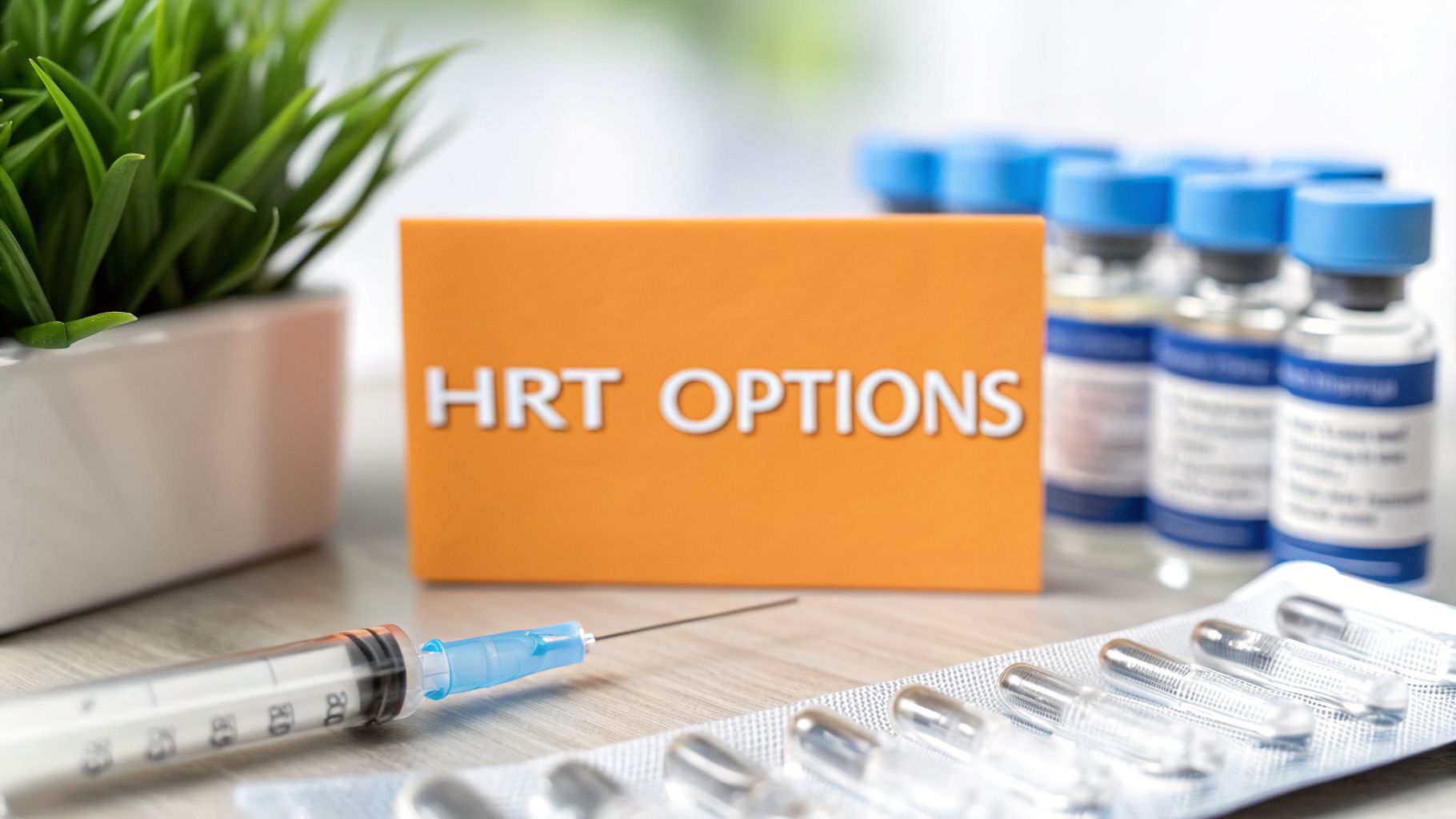
HRT is definitely not a one-size-fits-all treatment. It comes in a variety of forms, which allows you and your doctor to pick the delivery method that best fits your lifestyle and needs.
- Patches: You wear these on your skin and change them once or twice a week. They deliver a steady, consistent stream of estrogen right into your bloodstream.
- Gels: Applied to the skin daily, gels are absorbed systemically and offer more flexibility in dosing.
- Pills: This is the traditional oral form, though it's prescribed less often these days because of a slightly higher risk profile for blood clots.
- Vaginal Estrogen: For symptoms that are localized to the vaginal area, like dryness, low-dose creams, rings, or tablets can provide relief without systemic effects. As a Harvard Medical School publication notes, this can be particularly helpful for preventing related issues like recurrent UTIs.
The decision to start HRT is a personal one, and it should be made in partnership with your doctor. By weighing the significant benefits—like better sleep, mood, and energy—against the potential risks, you can make an informed choice. For many, it's the key that finally unlocks a return to feeling vibrant, focused, and fully themselves again.
Your Questions About Estrogen and Fatigue Answered
Navigating the world of hormonal health can feel overwhelming, and it’s normal to have practical questions even after you understand the science. This section is designed to give you clear, direct answers to the things women most often ask about low estrogen and the exhaustion that comes with it.
Think of this as a quick-reference guide to help you feel more confident and prepared for the next steps in your health journey.
Can Low Estrogen Cause Fatigue Before Menopause?
Absolutely. While we almost always connect hormonal fatigue with perimenopause and menopause, low estrogen can throw a wrench in the works for women at any age. It’s a huge mistake to dismiss persistent, bone-deep exhaustion just because you’re not in your 40s or 50s.
Several conditions can trigger low estrogen and the resulting fatigue in younger women, including:
- Excessive Exercise: Overtraining puts your body under so much stress that it can start shutting down functions it considers non-essential, and that includes hormone production.
- Low Body Weight: Your body needs a certain amount of fat to maintain its hormonal balance. When body fat gets too low, the whole system can get disrupted, leading to a drop in estrogen.
- Pituitary Gland Issues: Think of the pituitary as the mission control for your hormones. If it isn't sending the right signals to your ovaries, estrogen production can falter.
- Primary Ovarian Insufficiency (POI): This is a condition where the ovaries stop functioning properly before the age of 40, leading to early hormonal decline.
How Quickly Can My Energy Levels Improve with Treatment?
The timeline for feeling better is really individual and depends on the treatment path you and your doctor choose. If you're focusing on consistent lifestyle changes—like dialing in your nutrition and getting serious about stress management—you might start noticing small, subtle shifts in your energy within a few weeks. Patience is definitely your friend here.
On the other hand, if Hormone Replacement Therapy (HRT) is the right fit for you, the results are often much more noticeable. Many women report a major drop in fatigue, hot flashes, and sleep problems within the first one to three months as their hormone levels start to even out.
Finding the right treatment and dosage isn’t always a quick fix. It's more of a partnership with your doctor, often involving a bit of trial and error to discover what works best for your unique body chemistry.
Are Supplements a Good Option for Hormonal Fatigue?
Supplements can definitely play a supportive role, but they are not a replacement for a proper medical diagnosis and treatment plan. It's crucial to talk to your healthcare provider before adding anything new to your routine.
With that said, some options may offer support. Phytoestrogens from foods like soy and flaxseed can provide a gentle, estrogen-like effect. Adaptogens, like ashwagandha, can help your body build resilience to stress, which is a major player in hormonal fatigue. And, of course, making sure your levels of Vitamin D, B vitamins, and magnesium are solid is fundamental for energy production in general.
At Elite Bioscience, we provide direct access to therapies that support your body's balance and vitality. Our streamlined platform makes it simple to get a doctor's prescription for hormone, peptide, and vitamin treatments delivered right to your door. Take control of your health and explore personalized solutions designed to help you reclaim your energy and feel your best.