When people ask how to increase estrogen naturally, the answer usually circles back to a few core areas.The answer usually circles back to a few core areas. We’re talking about strategically adding phytoestrogen-rich foods like soy and flaxseeds, maintaining a healthy body weight and fat percentage, and building supportive habits like moderate exercise and stress management.
Think of these strategies as a powerful toolkit. They all work together to help your body's own hormone production find its natural rhythm.
Understanding Why Estrogen Balance Matters
When you hear "estrogen," your mind probably jumps straight to reproductive health, and that's definitely a big part of the picture. But this powerful hormone is so much more than that—it’s a master regulator for your overall vitality.
Imagine it as your body's multitasking manager. Estrogen has a hand in everything from your mood and the bounce in your skin to the strength of your bones and how sharp your mind feels. When your levels are nicely balanced, you just feel good—energetic, clear-headed, and resilient.
But when those levels dip, whether from perimenopause, chronic stress, or even intense athletic training, the effects can be felt system-wide. All of a sudden, you might be struggling with brain fog you can't shake, feeling tired all the time, or noticing unwelcome changes in your skin and hair. You can learn more about this connection in our detailed guide on how low estrogen can cause fatigue.
These symptoms aren't just little annoyances. They're your body sending up a flare, signaling that a foundational element is out of sync.
The Role of Estrogen Beyond Reproduction
Estrogen's job description is surprisingly long and extends far beyond the reproductive system. It’s absolutely essential for keeping several key areas of your health in check:
- Bone Health: Estrogen is a crucial gatekeeper for bone turnover—the natural process of breaking down old bone and building new bone. Without enough of it, bone loss can speed up, putting you at a higher risk for osteoporosis.
- Heart Health: This hormone acts as a guardian for your cardiovascular system. It helps keep blood vessels flexible and plays a role in managing cholesterol levels, which is a big deal for lowering heart disease risk.
- Cognitive Function: Ever feel like you’re walking through a mental fog? Estrogen supports the neurotransmitters in your brain that affect memory, focus, and even mood. When it fluctuates, that brain fog so common in perimenopause can set in.
- Skin and Hair: Estrogen is a key ingredient in collagen production, the protein that keeps skin looking plump, hydrated, and firm. When levels are low, you might notice more dryness, thinning skin, and brittle hair.
Understanding this broad impact is the first step. The goal isn't just to "increase" estrogen but to foster a healthy, stable hormonal environment where your body can thrive.
This guide is your practical roadmap to do just that. We're going to walk through actionable strategies that help your body find its natural equilibrium.
To give you a head start, here's a quick overview of the natural methods we'll be diving into.
A Quick Look at Natural Estrogen Support Strategies
Get an immediate overview of the actionable, natural methods for supporting healthy estrogen levels that we'll cover in this guide.
| Strategy | Key Action | Primary Benefit |
|---|---|---|
| Strategic Nutrition | Incorporate phytoestrogen-rich foods like flaxseeds, soy, and chickpeas. | Provides plant-based compounds that help mimic estrogen's effects in the body. |
| Smart Lifestyle Habits | Manage stress, prioritize sleep, and engage in moderate exercise. | Creates an internal environment that supports natural hormone production. |
| Healthy Weight Maintenance | Maintain a healthy body fat percentage, avoiding extremes. | Body fat is a key site for estrogen production and storage. |
| Informed Supplementation | Consider vetted options like Red Clover or key nutrients like Vitamin D. | Offers targeted compounds to fill nutritional gaps and support hormone metabolism. |
As you can see, these pillars work together. Now, let’s get into the specifics of how you can put them into practice.
Eating to Support Your Hormonal Health
Your kitchen can be one of the most powerful places for managing your hormonal health. The food you eat literally provides the raw materials your body needs to manufacture and balance hormones, including estrogen. Forget generic advice—let's get into the specific food strategies that can genuinely move the needle.
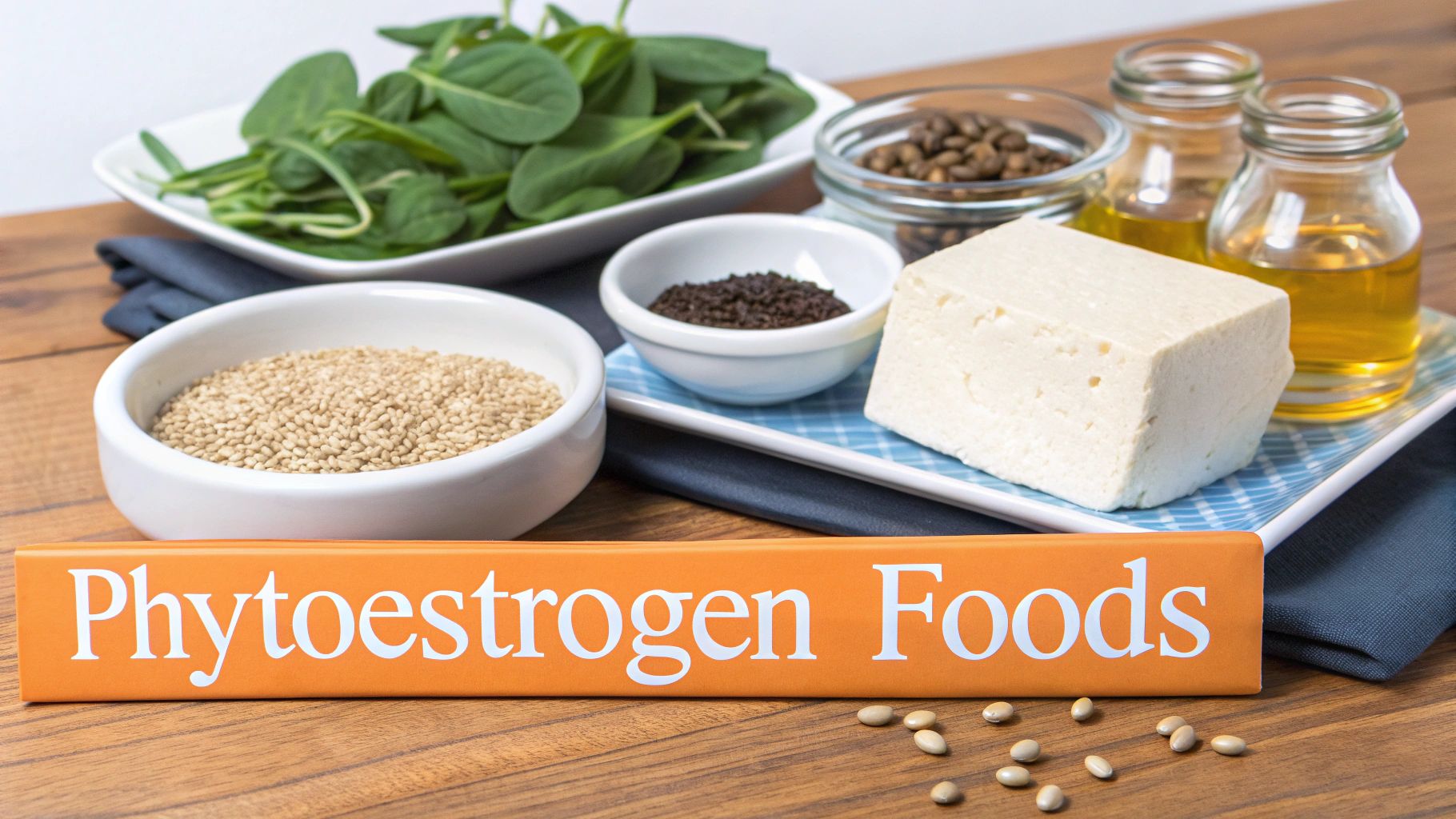
The cornerstone of this approach is a group of plant compounds called phytoestrogens. They have a chemical structure that’s strikingly similar to the estrogen your body makes. Because of this, they can gently bind to your estrogen receptors, creating a mild estrogen-like effect that can be incredibly helpful when your natural levels are low. Think of them as supportive helpers, not aggressive replacements.
Weaving Phytoestrogens Into Your Daily Meals
Phytoestrogens come in a few key types, but the two you'll hear about most are lignans and isoflavones. You don't need a science degree to benefit from them; you just need to know which foods pack a punch and how to get them on your plate.
You'll find lignans in abundance here:
- Flaxseeds: Hands down, the richest source of lignans out there. A quick tip: always use ground flaxseed. Your body simply can't break down the whole seeds to get to the good stuff inside.
- Sesame seeds: Another powerhouse. They're fantastic sprinkled on a salad, blended into tahini, or added to a stir-fry.
- Whole grains: Think hearty breads like rye or a simple bowl of oats.
- Cruciferous vegetables: This is your broccoli, Brussels sprouts, and cabbage.
Isoflavones are most concentrated in:
- Soy products: We're talking tofu, tempeh, edamame, and soy milk.
- Legumes: Chickpeas, lentils, and pinto beans are all excellent sources.
- Certain nuts: Pistachios and peanuts also contain a helpful amount of isoflavones.
A great starting point is to aim for one or two phytoestrogen-rich foods each day. This isn't complicated. It can be as simple as adding a tablespoon of ground flax to your morning smoothie or swapping chicken for baked tofu in a stir-fry once a week. These small, consistent habits really do add up over time.
A Practical Tip from Experience: Please don't try to overhaul your entire diet overnight. That’s a recipe for failure. Just start by adding one new food this week. Maybe sprinkle sesame seeds on your avocado toast or make a batch of hummus for an afternoon snack. Slow, gradual changes are the ones that stick.
The Real Story on Soy Isoflavones
Soy gets a complicated rap sometimes, but when it comes to supporting estrogen, the research is pretty compelling. Did you know that phytoestrogen-rich foods like soy can gently mimic estrogen's effects and help nudge your hormones back into balance?
In most Western countries, the average person consumes only about 2 mg of soy-derived isoflavones per day. Compare that to China and Japan, where daily intake is a whopping 15–50 mg per day, and where populations experience far lower rates of certain hormone-related health issues.
Research shows that increasing your intake to around 50 mg daily—easily achievable with foods like tofu or edamame—can lead to some pretty significant benefits. For example, studies on menopausal women found that getting 50–80 mg/day of isoflavones reduced severe hot flashes by up to 92% and improved metabolic health. You can dig into the research yourself to learn more about how phytoestrogens support hormonal health.
Why Healthy Fats are Non-Negotiable
Here’s a simple truth: your body cannot produce hormones without cholesterol and healthy fats. They are the fundamental building blocks for your entire endocrine system. This is why super low-fat diets can sometimes backfire, accidentally contributing to the very hormonal imbalances people are trying to fix.
Instead, focus on bringing in plenty of healthy, anti-inflammatory fats from sources like:
- Avocados: Loaded with monounsaturated fats and great for gut health, too.
- Nuts and Seeds: Almonds, walnuts, and chia seeds deliver healthy fats alongside other crucial minerals.
- Olive Oil: A true cornerstone of a hormone-supportive diet. It’s perfect for dressings and low-heat cooking.
- Fatty Fish: Salmon and sardines are packed with omega-3s, which are essential for taming inflammation.
Think of it like building a house. You can't put up sturdy walls without a solid foundation. For your hormones, healthy fats are that foundation.
Be Mindful with Alcohol and Caffeine
While you don’t have to swear them off entirely, it’s smart to be conscious of how much alcohol and caffeine you're consuming. Both can mess with how your body processes estrogen.
Drinking too much alcohol puts a major strain on your liver, which is the primary organ responsible for breaking down and clearing out old hormones. When the liver gets overworked, it can’t do its job efficiently, leading to a buildup of estrogen metabolites that can throw your system out of whack.
High caffeine intake has also been linked to fluctuating estrogen levels. This effect can be different for everyone, but if you’re struggling with symptoms of imbalance, it's a worthy experiment to cut back a bit. Try swapping that second cup of coffee for a decaf or a soothing herbal tea and just notice how you feel. It’s not about perfection; it’s about making small, supportive choices for your body.
Lifestyle Habits That Foster Hormone Balance
While nutrition gives you the raw materials for hormones, it's your daily lifestyle choices that create the environment where they can either thrive or struggle. I like to think of the body as a finely tuned orchestra; things like stress, sleep, and movement are the conductors that make sure every instrument plays in perfect harmony.
When we talk about how to increase estrogen naturally, it’s about so much more than what’s on your plate—it's about how you live your life. You’d be surprised how much simple, consistent habits can impact your entire endocrine system. Small tweaks to your daily rhythm can kickstart a cascade of positive effects, helping your body find its way back to equilibrium without needing drastic interventions.
The Delicate Dance of Exercise
Physical activity is a powerful lever for hormonal health, but it’s all about finding that sweet spot. The right kind and amount of exercise can absolutely support your estrogen levels, but pushing too hard for too long can backfire. The goal is to challenge your body, not drain it.
For many women I work with, this means shifting their focus away from chronic, high-intensity cardio and toward more balanced routines. Here’s what tends to work best:
- Strength Training: Lifting weights or doing bodyweight exercises does more than just build muscle. It's fantastic for improving insulin sensitivity and nudging your body to produce the precursor hormones needed for healthy estrogen synthesis. Aim for two to three sessions a week.
- Yoga and Pilates: These are brilliant for calming the nervous system. By dialing down stress and cortisol, they indirectly support your estrogen pathways. Restorative yoga, in particular, can be a game-changer during times of hormonal flux.
- Moderate Anaerobic Exercise: Think High-Intensity Interval Training (HIIT). Short, sharp bursts of effort followed by rest have been shown to have a more positive influence on hormones than those long, drawn-out aerobic sessions.
It's absolutely crucial to listen to your body. If a workout leaves you feeling wiped out for the rest of the day, that’s a red flag. It likely means you're pushing too hard and creating more stress, which can deplete your estrogen.
It might seem counterintuitive, but regular physical activity helps optimize hormone levels through some pretty complex mechanisms, especially for women who aren't obese. While some studies show exercise can slightly lower estradiol, what it's really doing is creating balance. It helps stabilize declining estrogen in aging women, and high-intensity exercise shows strong effects no matter your menopausal status. In fact, postmenopausal women who exercise regularly report up to 30% fewer hot flashes. You can dig into the research on exercise and hormonal regulation to see the full picture.
Taming the Stress Hormone, Cortisol
You simply cannot talk about estrogen without also talking about cortisol. They have an inverse relationship—think of it like a seesaw. When your primary stress hormone, cortisol, is chronically high, it can suppress the production of reproductive hormones like estrogen.
This happens because your body is hardwired for survival. When it senses constant stress—from work deadlines, emotional upset, or just not enough sleep—it diverts all its resources to pump out more cortisol. The problem is, it uses the very same building blocks needed to make your sex hormones. This is often called the "progesterone steal," but the truth is, it throws your entire hormonal cascade out of whack.
Managing stress isn't just some fluffy self-care idea; it's a direct, non-negotiable strategy for supporting your estrogen levels. Here are some practical ways to get your cortisol in check:
- Mindfulness and Meditation: Even five to ten minutes a day can make a huge difference. If you're new to it, apps like Calm or Headspace are a great place to start.
- Consistent Sleep: This is non-negotiable. Aim for 7-9 hours of quality sleep a night. Sticking to a regular bedtime and wake-up time—yes, even on weekends—helps regulate your body's internal clock and lowers your baseline stress.
- Time in Nature: Getting outdoors has a proven calming effect on the nervous system. Even a quick walk in a park during your lunch break can make a real difference.
Why a Healthy Weight Is Crucial
Maintaining a healthy weight is foundational for estrogen balance. Both extremes—being underweight or overweight—can seriously disrupt production. Your body fat isn't just passive tissue; it's an active endocrine organ that plays a major role in both producing and storing estrogen.
If your body fat percentage drops too low, your body gets a clear signal that it's not a safe or resource-rich time for reproduction. In response, it can dial down or even shut off estrogen production entirely. We often see this in elite athletes or individuals with eating disorders, and it can lead to the loss of menstrual periods.
On the flip side, carrying excess body fat can lead to an overproduction of estrogen. This creates its own set of problems, most notably an imbalance with progesterone, which is just as important.
The goal isn't a number on the scale, but rather a healthy, stable weight for your body. This sweet spot allows your fat tissue to contribute just the right amount to your overall estrogen pool without creating an excess. A focus on whole foods, consistent movement, and solid stress management will naturally guide your body toward its ideal composition. For a more comprehensive look, check out our guide on achieving hormonal balance for women.
Navigating Supplements for Natural Estrogen Support
Diet and lifestyle are the bedrock of hormonal health, but sometimes your body needs a little extra, more targeted support. That’s where supplements can come into play, offering specific compounds to help your body’s natural estrogen pathways work more efficiently.
The supplement aisle can be a pretty overwhelming place, though. It's packed with bold claims and often conflicting advice. The trick is to approach it with a clear, evidence-based mindset. Some herbs and nutrients have solid research backing their use, especially for things like menopausal symptom relief. Others are more rooted in tradition than modern science. Let's cut through the noise.
Herbal Allies for Hormonal Balance
For centuries, women have turned to certain herbs for support, particularly during the menopausal transition. While these herbs don't necessarily "boost" your estrogen levels directly, many contain phytoestrogenic compounds. These plant-based estrogens can gently mimic your body's own estrogen, helping to take the edge off common low-estrogen symptoms like hot flashes and night sweats.
A few of the most well-researched options include:
- Black Cohosh: This is one of the heavy hitters in menopause research. We think it works by interacting with serotonin receptors in the brain, which helps regulate body temperature and can lift your mood. It’s particularly well-known for its potential to reduce how often and how intense hot flashes are.
- Red Clover: Packed with isoflavones (a type of phytoestrogen), red clover is another go-to for easing menopausal symptoms. Studies suggest it can be quite effective for hot flashes, and some research even points to it supporting heart and bone health after menopause.
- Dong Quai: Often called the "female ginseng," this herb is a cornerstone of Traditional Chinese Medicine for all sorts of gynecological issues. Modern research on its direct estrogenic effects is a bit mixed, but it's thought to help balance hormones and improve circulation, which can be a big help for menstrual irregularities.
A Quick Word on Safety: Remember, herbs are potent. They can interact with medications and may not be right for everyone, especially if you have a history of hormone-sensitive cancers. It is absolutely crucial to talk with your healthcare provider before adding any new herb to your routine.
Foundational Nutrients for Hormone Production
Before you even get to specific herbs, you need to make sure your body has the basic building blocks for hormone production. Think of these vitamins and minerals as the non-negotiables. Without them, your body's hormonal assembly line just can't run efficiently.
Two of the most critical nutrients are:
- Vitamin D: We call it the "sunshine vitamin," but it really acts more like a hormone in the body. It plays a huge part in keeping your entire endocrine system in check, and research has shown a clear link between low Vitamin D and low estrogen levels.
- B Vitamins: This family of vitamins, especially B6 and B12, is vital for your liver. A healthy liver is essential for metabolizing and clearing out old hormones to maintain a healthy balance. They also give you a much-needed boost in energy and mood when you're dealing with hormonal ups and downs.
Ensuring you have optimal levels of these core nutrients is a foundational first step. You can dive deeper into this topic in our detailed guide on using a vitamin to help balance hormones.
The infographic below really drives home how key lifestyle factors—like moderate exercise, managing stress, and maintaining a healthy weight—all work together to create a healthy hormonal environment.
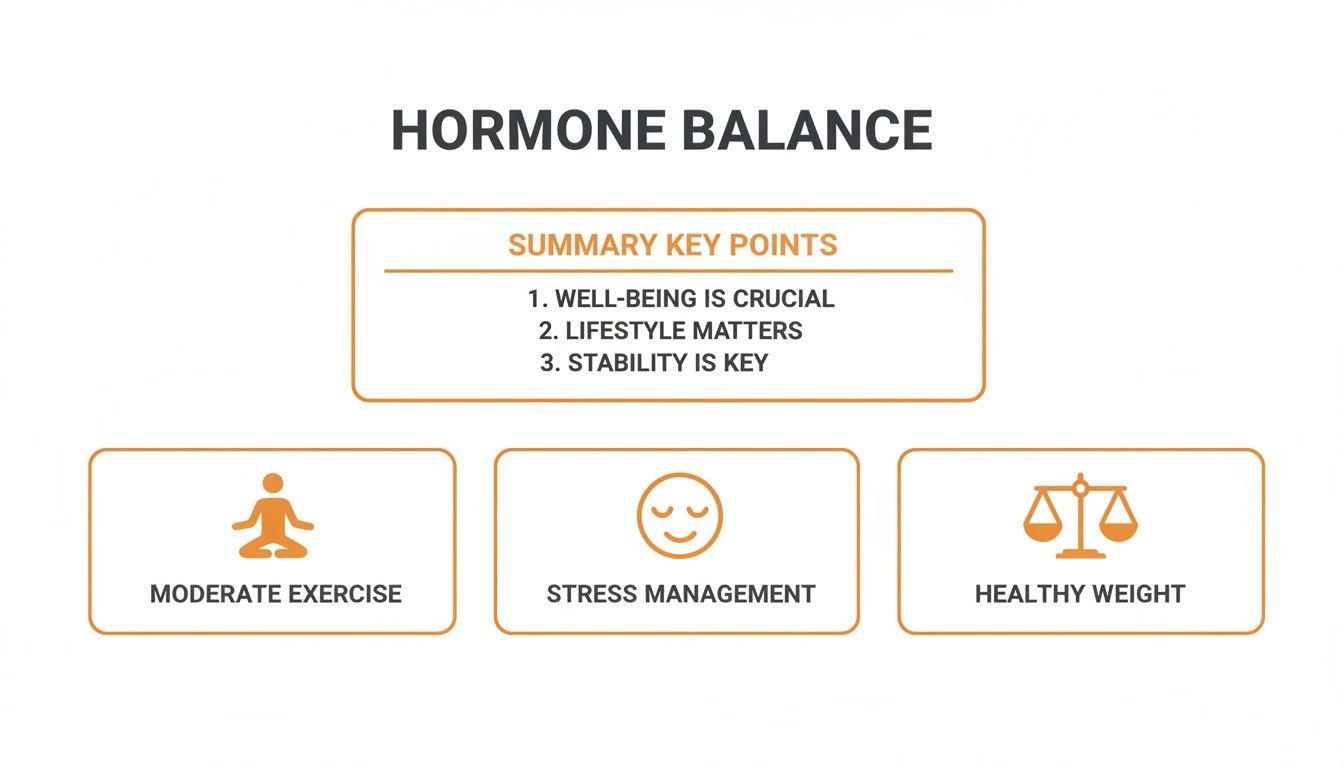
It’s a great visual reminder that a successful strategy isn't about finding one magic bullet; it's about creating a supportive, holistic lifestyle for your body.
A Practical Guide to Estrogen-Supporting Supplements
To help you make sense of the options, here’s a quick comparison of some common supplements. This table breaks down what the science says, what they're typically used for, and—most importantly—what safety considerations you need to keep in mind.
| Supplement/Herb | Level of Evidence | Commonly Used For | Important Safety Note |
|---|---|---|---|
| Black Cohosh | Moderate to Strong | Reducing hot flashes, night sweats, and mood swings. | Should not be used by individuals with liver disorders. Can interact with some medications. |
| Red Clover | Moderate | Easing hot flashes and potentially supporting bone density. | Contains isoflavones; use with caution if you have a history of hormone-sensitive conditions. |
| Dong Quai | Traditional/Limited | Menstrual irregularities and menopausal symptom relief. | Can act as a blood thinner; avoid if taking anticoagulant drugs. May increase sun sensitivity. |
| Vitamin D | Strong | Overall endocrine function and bone health. | Essential for hormone regulation. Toxicity is rare but possible with very high doses; best to test levels first. |
| B-Complex | Strong | Hormone metabolism (liver support), energy, and mood regulation. | Generally safe, but high doses of B6 can cause nerve damage. Choose a balanced B-complex formula. |
This table is just a starting point. It’s designed to help you have a more informed conversation with your healthcare provider, not to replace their advice.
Making Safe and Smart Choices
When you're ready to choose a supplement, remember that quality matters—a lot. The supplement industry isn't regulated as tightly as pharmaceuticals, which means you have to be a savvy consumer.
Look for products that have been third-party tested by an organization like NSF International or USP. This verification is your best bet for ensuring that what's on the label is actually what's in the bottle and that it’s free from any nasty contaminants.
Ultimately, no supplement can do the work of a healthy diet and lifestyle. Think of them as helpers, not heroes. The most important first step is always a conversation with your doctor or another qualified provider to make sure you're making choices that are safe and truly effective for you.
Knowing When to Seek Professional Guidance
The natural strategies we've covered are fantastic for supporting your body's hormone balance. But it's just as important to know when they aren't enough.
There's a point where self-care needs to transition to professional medical care, and recognizing that moment is a huge part of being your own best health advocate. Trying to "tough it out" when your symptoms are severe only leads to more frustration and discomfort.
When Your Symptoms Are More Than Just a Nuisance
So, how do you know when it’s time to call in the experts? Certain symptoms are clear signals that your body needs more help than diet and lifestyle changes can offer. If any of the following feel familiar and just won't go away, it's time to book an appointment with a doctor or a specialist in hormonal health.
Don't ignore these red flags:
- Severe Hot Flashes and Night Sweats: I'm not talking about feeling a little warm now and then. This is about intense, drenching episodes that constantly disrupt your sleep, derail your focus at work, and just make daily life miserable.
- Persistent Mood Swings: If you're struggling with ongoing depression, crippling anxiety, or irritability that feels completely out of character—and nothing you do seems to help—it’s time to get a professional evaluation.
- Significant Vaginal Dryness and Pain: When vaginal dryness, itching, or painful intercourse starts impacting your comfort and your intimate relationships, medical treatments can provide fast, effective relief.
- Serious Brain Fog: We all have "off" days. But if you’re dealing with chronic brain fog, memory issues, or a constant struggle to concentrate that interferes with your job or daily tasks, it needs to be checked out.
- Bone Health Worries: A family history of osteoporosis or, even more seriously, a bone fracture from a minor fall is a major sign. You absolutely need to discuss bone density screening with your doctor.
Experiencing these isn't a sign that you've failed at managing things naturally. It's a sign that your body is going through a major physiological shift that often requires medical-grade support.
What to Expect at the Doctor's Office
A good provider will start by listening. They’ll want to hear all about your symptoms, your personal and family health history, and the lifestyle changes you've already tried. It’s a partnership.
To get the full picture, they’ll likely suggest blood work to check your hormone levels, like estradiol and FSH (follicle-stimulating hormone). This data, paired with the story your symptoms tell, helps them confirm what’s going on and rule out any other potential causes.
A quick note on testing: Hormone levels fluctuate, so a single blood test is just a snapshot. A good clinician will always interpret those numbers in the context of how you are actually feeling.
This is also your chance to talk openly about Hormone Replacement Therapy (HRT). For many women navigating perimenopause and menopause, HRT can be a game-changer. It works by giving your body back the estrogen (and usually progesterone) it’s stopped making, which gets right to the root of the problem.
HRT comes in many forms—pills, patches, gels, creams—and it's not a one-size-fits-all solution. But for the right person, it can dramatically improve hot flashes, sleep quality, mood, and long-term bone health. Your doctor can walk you through the benefits and risks for you, personally.
Often, the most powerful approach is combining medical treatments like HRT with the healthy diet and lifestyle habits in this guide. This way, you’re supporting your body from every possible angle.
Got Questions About Supporting Estrogen Naturally? Let's Dig In.
It's one thing to read about natural hormone support, but it's another to actually put it into practice. As you start making these changes, questions are bound to pop up. Let's walk through some of the most common ones I hear, so you can move forward with confidence.
How Long Until I Actually Feel a Difference?
This is probably the number one question people ask, and the honest answer is: it takes time. We're nudging the body's natural processes, not flipping a switch with a high-dose prescription. Patience really is key here.
You might notice small, subtle improvements first—maybe you feel a little less foggy in the morning or your mood feels a bit more stable. Those early signs can show up within a few weeks. But for the bigger, more noticeable changes like fewer hot flashes or consistently better sleep, you should give it a solid two to three months of consistent effort.
A great tip is to keep a simple symptom journal. It helps you see the gradual progress and celebrate those small wins you might otherwise miss.
Should Men Worry About Their Estrogen Levels?
They absolutely should, though the goal is different. While estrogen is famous as the primary female hormone, men need it too. It’s crucial for things like maintaining strong bones, keeping the cardiovascular system healthy, and even for a healthy libido.
For men, it’s all about balance—specifically, the balance between estrogen and testosterone. The good news is that the strategies we've talked about—eating whole foods, managing stress, staying at a healthy weight—are exactly what men need to support healthy hormone equilibrium. These habits help keep that testosterone-to-estrogen ratio right where it should be, which is a big deal as they get older.
Are There Any Risks I Should Know About?
For the vast majority of people, the food and lifestyle shifts we've covered are incredibly safe and beneficial for your overall health. Where you need to be more cautious is with supplements and herbs.
If you have a personal or strong family history of hormone-sensitive cancers, like breast or uterine cancer, you need to be careful. High doses of phytoestrogens or certain herbs might not be a good idea. This is why you absolutely must talk to your doctor before starting any new supplement. They'll look at your specific health history and help you make a safe, informed decision.
Can I Use These Natural Approaches if I'm on HRT?
Yes, and they often complement each other perfectly. Think of your lifestyle as the solid foundation and Hormone Replacement Therapy (HRT) as the targeted support built on top of it.
Eating well, exercising, and keeping stress in check can actually make your HRT more effective while boosting your overall wellness. For example, combining HRT with consistent weight-bearing exercise is a fantastic one-two punch for protecting your bone density long-term.
The golden rule here is to maintain an open dialogue with the doctor who prescribes your HRT. Always let them know about any herbs or supplements you're thinking of taking, as some can interfere with medications. A team approach between you and your provider is the best way to create a plan that’s both safe and effective.
At Elite Bioscience, we see the whole picture. We believe in empowering you with knowledge while also providing access to advanced therapies when they're the right fit. If you're considering medical support to enhance your natural efforts, our specialized hormone and peptide therapies are designed to help you reach your wellness goals. You can learn more about our personalized treatment plans on our website.