In laboratory and experimental research settings, GHK-Cu has been investigated in relation to:
$ 72.00
Out of stock
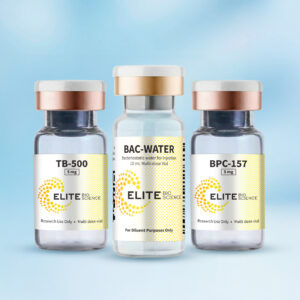
Peptides are not ready to use. Must purchase BAC water for reconstitution.
GHK-Cu is a naturally occurring copper-binding tripeptide complex composed of glycyl-L-histidyl-L-lysine (GHK) chelated with a Cu²⁺ ion. It is commonly investigated for its role in tissue remodeling, extracellular matrix regulation, inflammatory modulation, and regenerative signaling. Researchers utilize GHK-Cu in laboratory studies examining connective tissue dynamics, skin and epithelial regeneration, vascular integrity, and oxidative-stress balance due to its broad influence on cellular signaling and gene-expression pathways.
Current laboratory and animal research suggests GHK-Cu may influence several interconnected biological processes:
Extracellular Matrix (ECM) Remodeling
GHK-Cu stimulates fibroblast activity and has been associated with increased synthesis of collagen, elastin, decorin, and glycosaminoglycans—key structural components studied in connective-tissue research.
MMP Regulation & Tissue Remodeling
Research indicates modulation of matrix metalloproteinases (MMP-2 and MMP-9) alongside increased tissue inhibitor (TIMP) activity, supporting balanced ECM turnover and reconstruction.
Anti-Inflammatory & Antioxidant Activity
GHK-Cu has been shown to enhance antioxidant enzyme activity and reduce pro-inflammatory cytokine signaling, positioning it as a compound of interest in oxidative-stress and inflammation research.
Wound Repair & Re-epithelialization
Experimental studies report accelerated keratinocyte migration, enhanced angiogenic signaling, and improved wound-closure dynamics in controlled injury settings.
Copper Transport & Redox Modulation
As a natural copper carrier, GHK-Cu influences superoxide dismutase (SOD) activity, cellular redox balance, and copper-dependent enzymatic processes in damaged tissue research.
Hair Follicle & Dermal Research
Copper peptides have been associated with increased follicular size, delayed regression phases, and stimulation of dermal papilla cells in hair-cycle research environments.
Gene Expression Regulation
Transcriptomic analyses demonstrate that GHK-Cu upregulates genes linked to repair and regeneration while downregulating those associated with inflammation and fibrosis.
Elite Bioscience supplies GHK-Cu strictly for laboratory, analytical, and in-vitro research.

Large-scale gene-expression analysis demonstrated activation of repair-related pathways alongside downregulation of inflammatory and fibrotic gene networks, positioning GHK-Cu as a broad regulator of regenerative signaling.
Read StudyThis study demonstrated that the copper tripeptide GHK-Cu significantly influenced gene expression patterns associated with tissue remodeling, antioxidant defense, and inflammatory regulation. Transcriptomic analysis showed upregulation of genes involved in extracellular matrix organization and cellular repair, alongside downregulation of genes linked to inflammation and tissue degradation, supporting GHK-Cu’s relevance in regenerative and cellular maintenance research.
Read StudyThis study demonstrated that the copper tripeptide GHK-Cu significantly increased collagen production in human fibroblast cultures by upregulating collagen mRNA expression. The findings support GHK-Cu’s relevance in research exploring extracellular matrix synthesis, connective tissue maintenance, and cellular repair signaling, without affecting TGF-β expression.
Read StudyGene-expression profiling revealed upregulation of antioxidant pathways and suppression of inflammatory mediators in skin research contexts.
Read StudyEncapsulated GHK-Cu enhanced angiogenesis, cellular proliferation, and wound-closure efficiency compared to non-encapsulated forms in injury research models.
Read StudySupplier: Elite Bioscience®
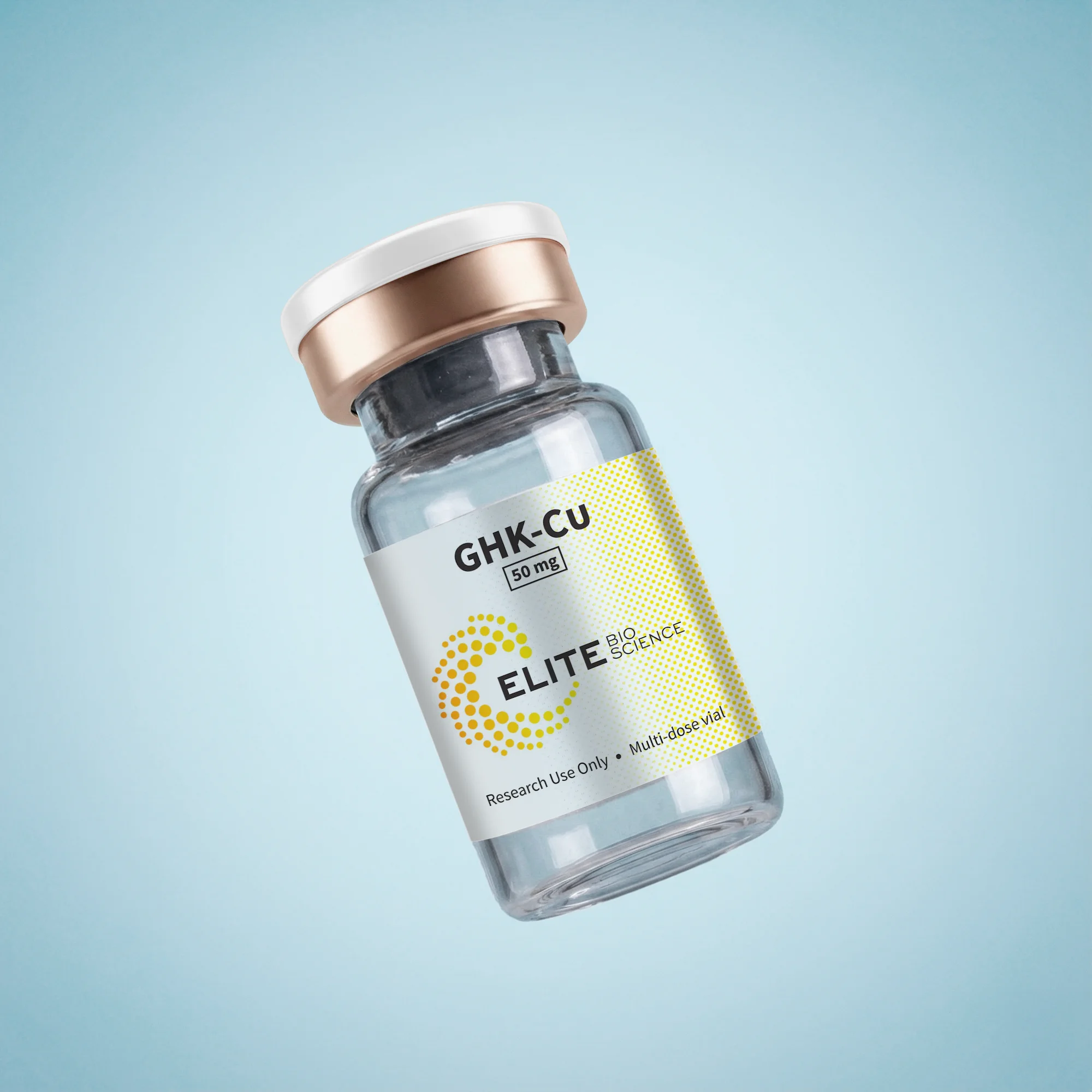
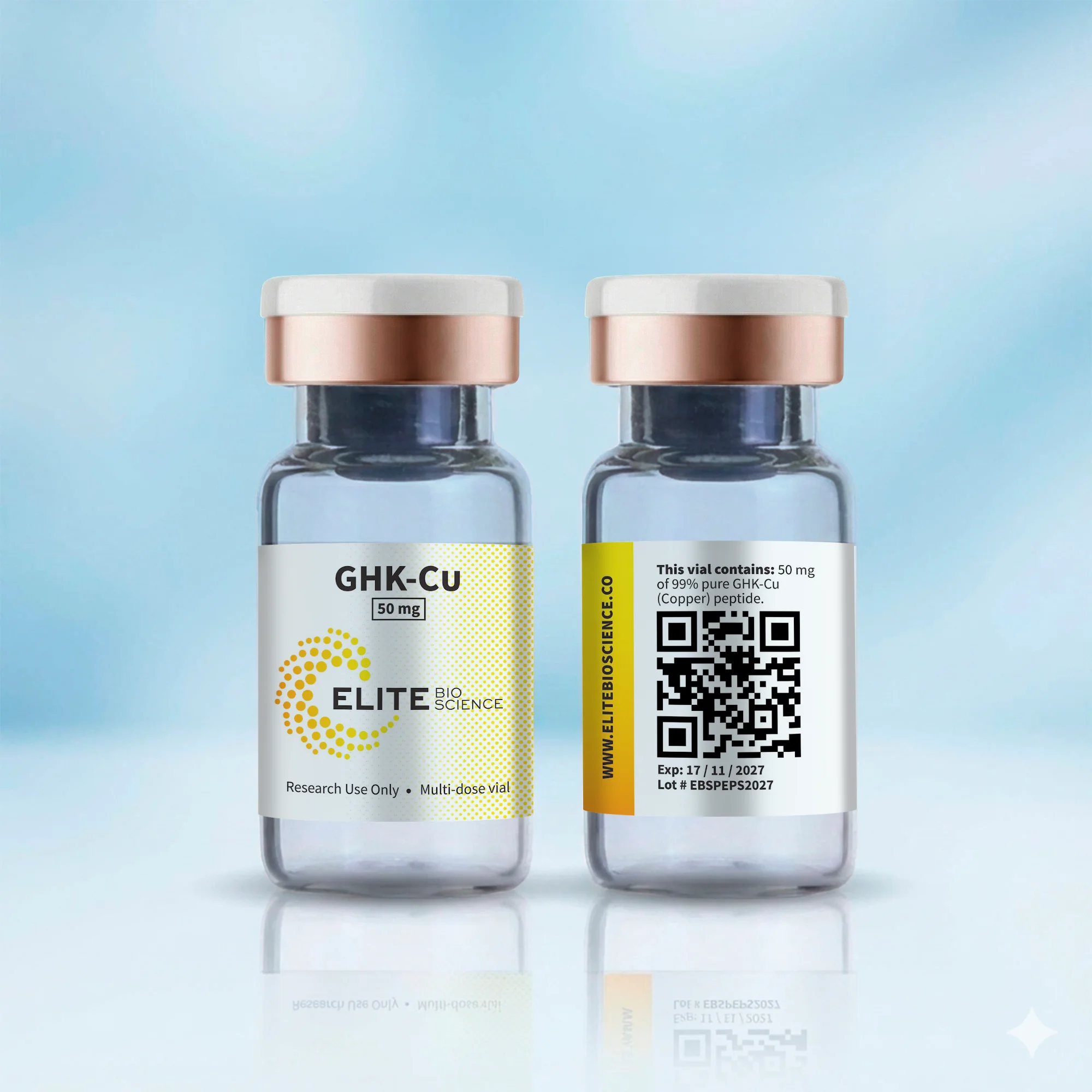
Product Form: 1 × 50 mg sterile, lyophilized peptide vial
Active Ingredient: GHK-Cu (Copper Tripeptide-1)
Chemical Name:
6-Amino-2-[[2-[(2-aminoacetyl)amino]-3-(1H-imidazol-5-yl)propanoyl]amino]hexanoic acid copper complex
Peptide Class: Copper-binding tripeptide (Gly-His-Lys + Cu²⁺)
Research Use: For laboratory, in-vitro, and analytical research only. Not for human or veterinary use.