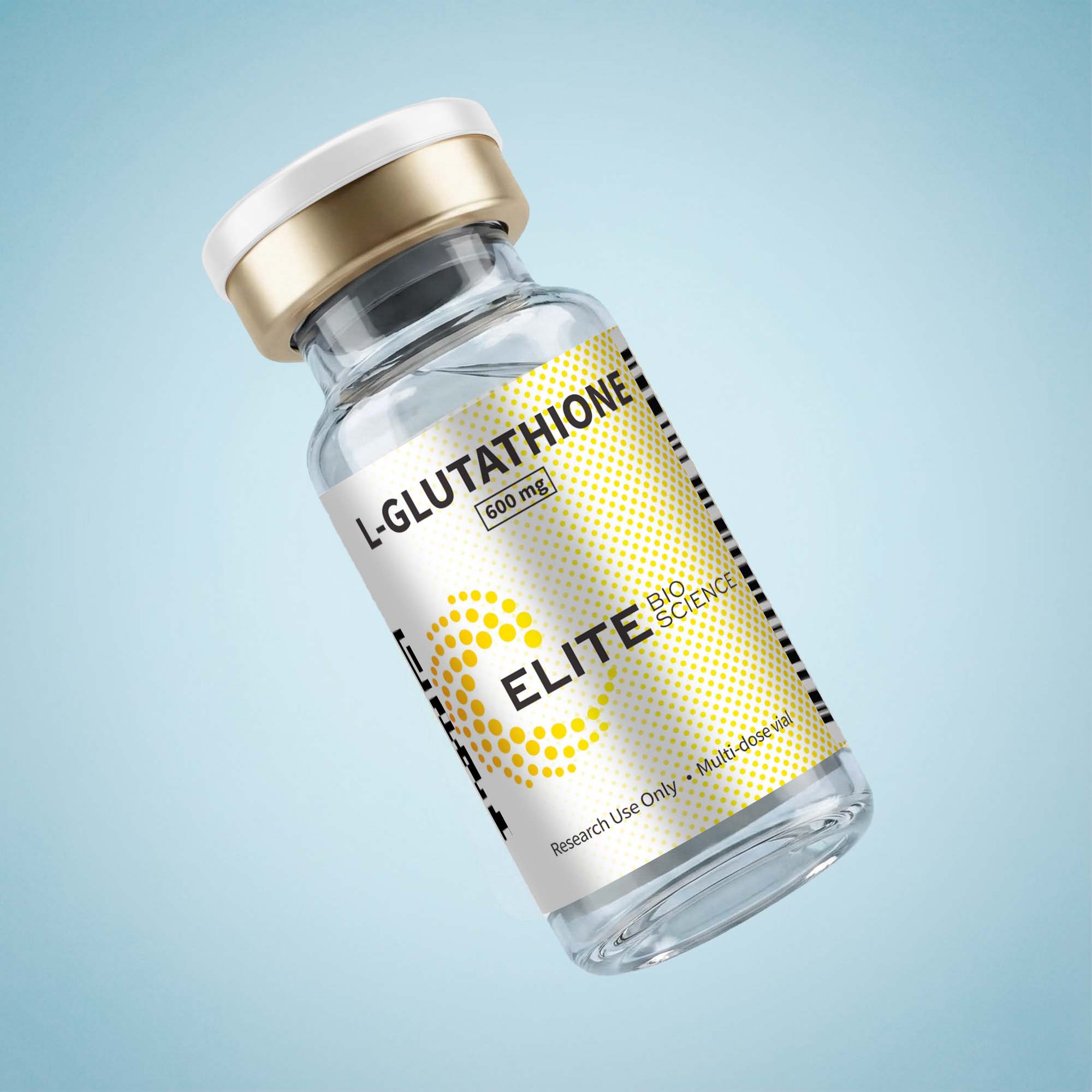
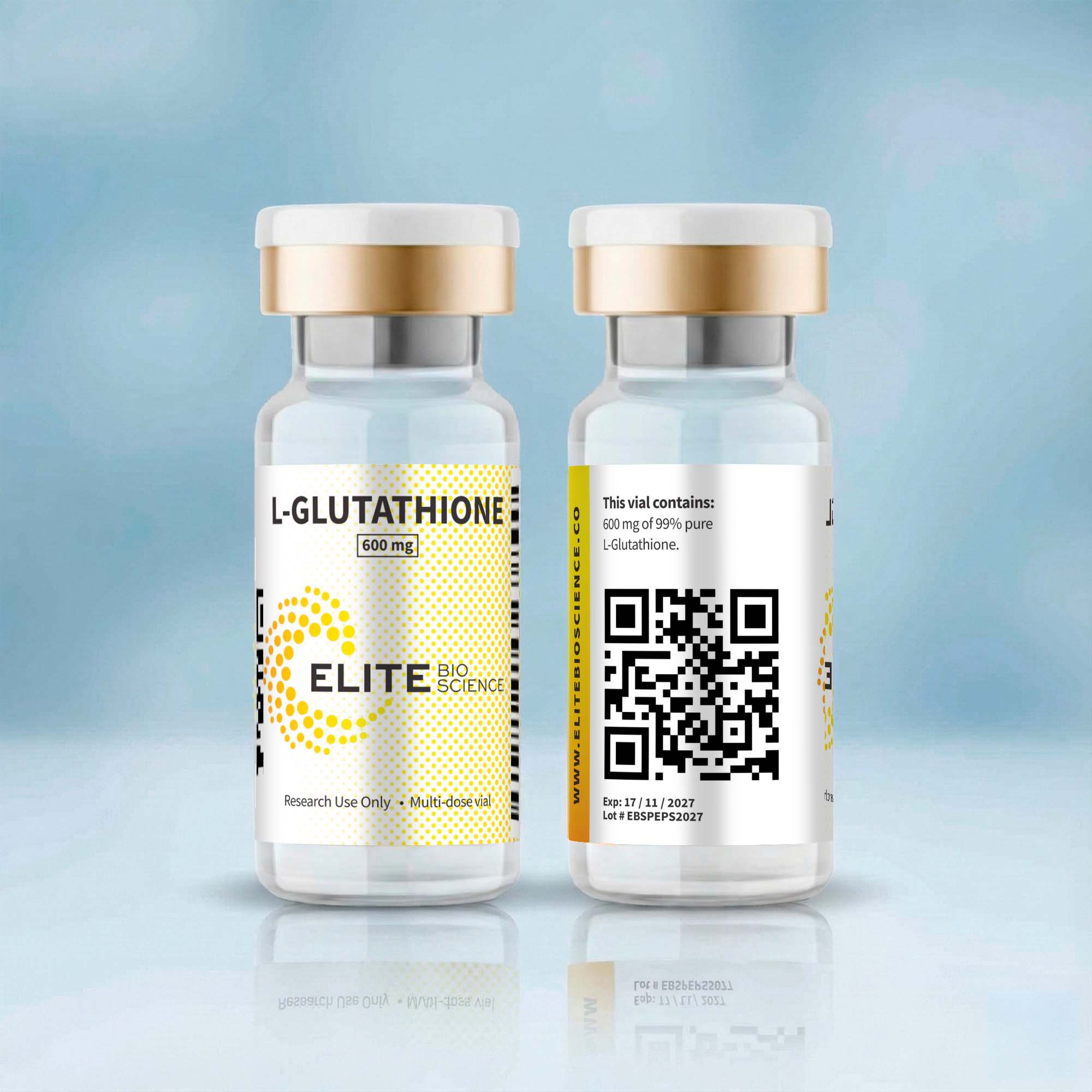
Research suggests L-Glutathione is involved in several key biological processes related to cellular protection and metabolic regulation:
Antioxidant & Redox Regulation
Glutathione functions as a primary intracellular antioxidant, neutralizing reactive oxygen species (ROS) and maintaining the balance between reduced (GSH) and oxidized (GSSG) states.
Detoxification Pathways
GSH participates in phase II detoxification reactions through glutathione-S-transferase (GST) activity, supporting research into cellular defense against xenobiotics and metabolic byproducts.
Mitochondrial Protection
Adequate glutathione levels are associated with mitochondrial integrity and energy metabolism, making it relevant for studies of oxidative damage and metabolic dysfunction.
Immune-Cell Function
Glutathione availability influences immune-cell signaling, proliferation, and cytotoxic activity, supporting its use in immunometabolic research models.
Aging & Oxidative Stress Models
Declining glutathione levels have been observed in aging and chronic disease models, positioning GSH as a reference compound in oxidative-aging research.
Elite Bioscience supplies L-Glutathione strictly for laboratory, analytical, and in-vitro research.