Mechanisms of Interest
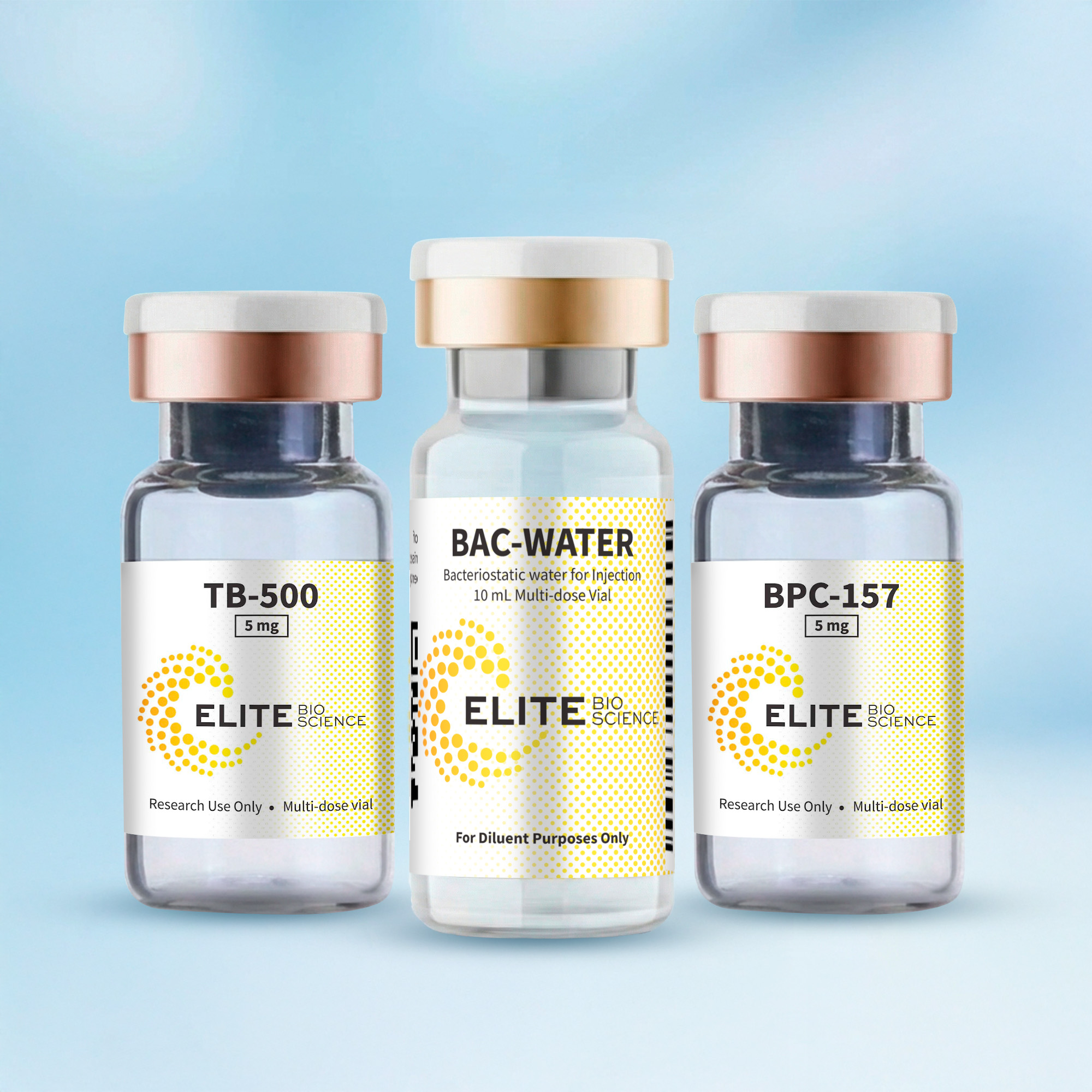
Research suggests the combined use of BPC-157 and TB-500 influences multiple overlapping biological pathways involved in structural repair and cellular resilience:
Angiogenesis & Microvascular Support
Both peptides have been associated with VEGF-related signaling and endothelial cell migration, supporting research into blood vessel formation, tissue perfusion, and microvascular stability.
Inflammatory Signaling Modulation
BPC-157 and TB-500 have demonstrated interactions with inflammatory pathways, including NF-κB and cytokine regulation, making the stack relevant for studies focused on inflammation resolution and cellular stress responses.
Cell Migration & Cytoskeletal Dynamics
TB-500’s actin-binding properties influence cytoskeletal remodeling and cell motility, while BPC-157 has been linked to enhanced fibroblast migration and collagen expression—together supporting investigations into wound closure and structural repair.
Extracellular Matrix & Connective Tissue Remodeling
The combination has been explored in research contexts involving collagen deposition, tendon-to-bone integration, ligament repair, and ECM turnover, offering a multi-pathway approach to connective tissue studies.
Gastrointestinal & Organ Protection Research
BPC-157 contributes gastrointestinal and organ-protective signaling, while TB-500 supports broader tissue resilience, making the stack useful in models examining systemic recovery and organ integrity.
Neuroprotective & Systemic Repair Models
Experimental studies report associations with neural tissue preservation, reduced lesion burden, and improved functional outcomes in CNS injury models, supporting the stack’s relevance in neuro-regenerative research.
Elite Bioscience supplies the WOLVERINE STACK strictly for laboratory, analytical, and in-vitro research.