You’re noticing changes that don’t feel dramatic enough to call an emergency, but they’re persistent enough that you can’t ignore them. Your skin looks thinner. Fine lines seem to settle in faster. Sleep isn’t as restorative. You may be warmer at night than you used to be, more irritable than you recognize, or just not quite as resilient in your body.
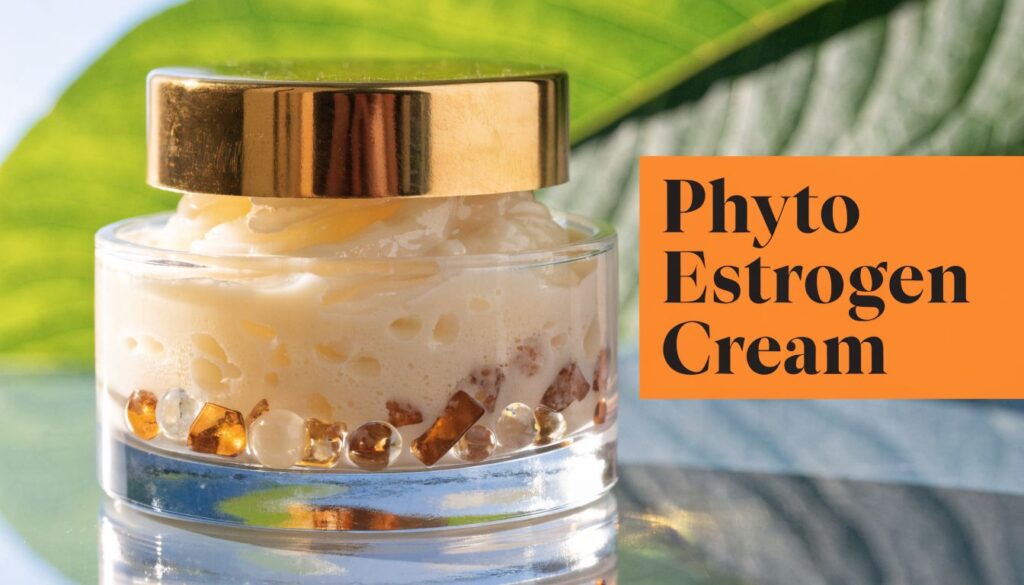
That’s a common place to land in perimenopause or after menopause. It’s also the point where many women start looking at “natural estrogen” products online and run into a confusing mix of skincare marketing, supplement claims, and hormone advice. One of the products that gets a lot of attention is phyto estrogen cream.
The interest makes sense. The science is more nuanced than the marketing. A plant-based cream that may support skin quality and possibly complement a broader menopause plan sounds appealing, especially for someone who wants options beyond traditional hormone therapy or isn’t sure if prescription treatment is appropriate.
What matters is understanding what this product is, what it isn’t, where the evidence is strongest, and how to talk about it with a clinician who can look at your symptoms and health history in context.
Navigating Hormonal Changes and Your Options
For many women, hormonal change doesn’t arrive as one obvious event. It shows up as a cluster of small shifts. Skin that used to bounce back now feels drier. Sleep becomes lighter. Mood changes feel less predictable. Heat surges appear out of nowhere. You might still function well, but you don’t feel like your previous baseline.
That’s where a lot of wellness products enter the conversation. Some are useful. Some are oversold. Phyto estrogen cream sits somewhere in the middle of those two realities. It has plausible biology, some clinical support for skin-related benefits, and enough public interest that it deserves a careful explanation rather than a quick yes-or-no answer.
If you’ve been looking for ways to support estrogen balance more broadly, a practical starting point is learning about natural ways to increase estrogen. That gives useful context before deciding whether a topical product belongs in your plan.
Phytoestrogen cream isn’t best understood as a replacement for all hormone therapy. It’s better understood as a targeted, plant-based option that may help some people, especially when the goal is skin support or a gentler approach.
The key is matching the tool to the problem. If someone has severe vasomotor symptoms, sleep disruption, and significant quality-of-life decline, a clinician may steer the conversation differently than if the main concern is facial skin thinning and dryness. Good care starts there.
What Exactly Is Phytoestrogen Cream
Phytoestrogen means a plant-derived compound with estrogen-like activity. “Phyto” means plant. “Estrogen” refers to its ability to interact with parts of the body that normally respond to estrogen.
A simple analogy helps. Think of estrogen receptors as locks in the body. Your own estrogen is the original key. A phytoestrogen is more like a similar-looking key that can fit some of those locks, but it doesn’t turn them in exactly the same way or with the same strength. That difference is why these compounds can have meaningful effects without being identical to prescription estrogen.

The ingredients you’ll usually see
Most phyto estrogen cream formulas use plant compounds that have been discussed for menopause support or skin health. Common examples include soy isoflavones such as genistein and daidzein, plus herbs or botanicals like red clover, black cohosh, dong quai, and pomegranate extract.
One product example describes a formula containing liposomal soy isoflavones at 60 mg per ounce, red clover extract at 200 mg/oz, pomegranate juice extract at 150 mg/oz, black cohosh at 80 mg/oz, and dong quai at 25 mg/oz, delivered in a paraben-free, non-GMO base with liposomes designed to support skin penetration, according to this phytoestrogen cream product listing.
That doesn’t mean every cream on the market matches that composition. It means product quality and labeling matter. One jar may be very different from another, even if both use similar branding.
Why a cream is different from a pill
A cream changes the conversation because the skin itself is part of the target. With an oral supplement, your digestive system and liver process the ingredients before they circulate more broadly. With a topical product, the aim is local delivery to the skin.
That distinction is especially relevant when someone wants help with visible signs of estrogen-deficient skin, such as dryness, reduced elasticity, or a crepey texture. The cream format is also why ingredient delivery systems get so much attention. Liposomes, for example, are used to help active compounds move through skin layers more effectively.
Here’s the point patients often miss. A phyto estrogen cream is not automatically the same thing as estrogen cream. If it’s over the counter and built around plant compounds, it is usually not a prescription hormone product. That sounds obvious, but the names are similar enough that many people assume they’re interchangeable.
What it is not
It’s not synthetic hormone therapy. It’s not a guaranteed substitute for prescription estradiol. It’s not a one-size-fits-all menopause solution.
It is a category of topical products that may support skin and, depending on the broader regimen, may play a role in symptom management discussions. But the cream alone doesn’t answer every hormone-related concern.
The Scientific Mechanism Behind Phytoestrogens
The most useful way to understand phytoestrogens is to look at receptors, not just ingredients. Estrogen doesn’t float through the body creating random effects. It works by binding to receptor sites on cells.
Two receptor families matter most in this discussion. They’re commonly called ER-alpha and ER-beta. Both respond to estrogen-related compounds, but they aren’t distributed in the same way and they don’t produce identical patterns of response.

Why ER-beta matters in skin
Many phytoestrogens appear to act preferentially through ER-beta, which is part of why they’re so interesting in dermatology and menopause-related skin care. In plain language, they may influence skin biology in a more selective and generally milder way than prescription estrogen.
A review discussing estrogen-deficient skin describes phytoestrogen creams as working through ERβ agonism, leading to fibroblast proliferation and remodeling of the extracellular matrix. The same review notes that topical genistein induces 20% epidermal hypertrophy, with effects described as 4x weaker than estradiol yet absent systemic estrogenicity, in this review of topical estrogens and phytoestrogens in skin.
That sounds technical, but the practical translation is straightforward. Fibroblasts are the cells that help build structural proteins like collagen. If a topical compound nudges those cells toward repair and support, skin may become more hydrated, more resilient, and less fragile over time.
Local effects versus whole-body effects
At this point, people understandably get confused. If a plant compound can interact with estrogen receptors, does that mean it behaves like full-strength hormone replacement therapy throughout the body?
Not necessarily.
Topical phytoestrogens are being studied largely because they seem capable of creating useful local effects in skin without showing the same systemic hormonal profile associated with stronger estrogen therapies. That doesn’t make them risk-free or appropriate for everyone, but it does help explain why clinicians and patients have become interested in them.
Clinical lens: A weaker receptor signal isn’t always a disadvantage. For some patients, a milder and more targeted effect is exactly the point.
The downstream skin effects
Once phytoestrogens bind to the receptor, several skin-relevant processes may follow:
- Collagen support: Receptor activation can encourage pathways involved in collagen production.
- Hyaluronic acid support: Some signaling appears to increase factors related to hydration and plumpness.
- Less matrix breakdown: Phytoestrogens may reduce activity linked to the enzymes that degrade connective tissue.
- Cell survival support: Some pathways may help skin cells better tolerate oxidative stress.
That combination helps explain why menopause-related skin aging doesn’t just look like “older skin.” It often looks specifically like estrogen-deficient skin. That pattern can include thinning, dryness, reduced elasticity, and slower recovery.
Clinically Studied Benefits for Skin and Symptoms
The evidence around phytoestrogens is strongest when you separate the conversation into two buckets. One is skin. The other is menopause-related symptoms such as hot flashes, sleep changes, and mood symptoms.
Those buckets overlap in real life, but they aren’t the same clinical question. A cream that improves facial skin quality is not automatically a treatment for vasomotor symptoms. Likewise, oral isoflavones studied for symptom relief don’t tell us everything about topical cosmetic use.
What studies show for skin
The best-known data for topical phytoestrogen use in aging skin are encouraging, especially for postmenopausal women with visible estrogen-deficient changes.
In a landmark European multicenter study, a phytoestrogen cream reduced wrinkles by 22% and sagging by 24% versus untreated areas, according to this review discussing topical phytoestrogen evidence.
That matters because collagen loss after menopause changes both structure and appearance. Skin often becomes thinner, less springy, and less hydrated. Phytoestrogens appear to help by supporting fibroblast activity and reducing enzymatic collagen breakdown.
Another controlled study summarized in the literature reported 32.9% improvement in skin hydration, 22% enhancement in texture, 22% wrinkle reduction, and 24% decrease in sagging with topical isoflavone cream over 12 weeks, as described in the earlier review of topical estrogens and phytoestrogens. Those aren’t cosmetic buzzwords. They’re measurable skin outcomes.
If you want to understand why these changes matter biologically, it helps to review how collagen synthesis works. Menopause-related skin aging is not just about surface dryness. It’s about deeper support structures changing over time.
What studies show for symptoms beyond skin
Research on soy isoflavones also suggests benefit for common menopause symptoms, particularly in perimenopausal and postmenopausal women.
A 2022 study using soy isoflavone phytoestrogens at 40 mg twice daily for 12 weeks reported reductions in hot flashes, sleep disturbance, depression symptoms, and sexual dysfunction. In perimenopausal women, hot flashes decreased by 42.5% and sleep disturbances by 45%, as summarized in this Medical News Today review of phytoestrogens and menopause.
The same summary reported symptom improvement in postmenopausal women as well, though the exact pattern differed somewhat from the perimenopausal group. The main takeaway is that plant-based estrogen-like compounds may do more than affect the skin.
How to interpret these benefits without overpromising
Clinical judgment matters. Evidence of benefit does not mean every product is equivalent, every patient will respond the same way, or every symptom should be managed with a cream bought online.
Some practical interpretations are reasonable:
- For skin-focused concerns, the evidence is more directly relevant to topical use.
- For hot flashes, sleep, and mood, the best data in the verified material involve soy isoflavones used systemically, not just skincare use.
- For severe symptoms, a stronger and more standardized treatment may still be the more appropriate conversation.
Better evidence should make you more precise, not more casual. A product can be promising and still require good screening, realistic expectations, and follow-up.
That’s the middle ground many people need. You don’t have to dismiss phytoestrogens as fluff. You also shouldn’t treat them as interchangeable with prescription hormone therapy.
Phytoestrogen Cream vs Prescription Hormone Therapy
Patients often ask the same fair question. If both products relate to estrogen, why not just use whichever one is easier to buy?
Because they’re not the same category of treatment.
A phyto estrogen cream usually contains plant-derived compounds with estrogen-like activity. A prescription estrogen cream, such as estradiol, contains a regulated hormone product intended for specific medical uses. The clinical goals, potency, oversight, and expected effects differ.
Side-by-side comparison
| Feature | Phytoestrogen Cream | Prescription HRT Cream (e.g., Estradiol) |
|---|---|---|
| Active ingredient | Plant-derived compounds such as soy isoflavones, red clover, or related botanicals | Prescription estrogen hormone such as estradiol |
| Receptor behavior | Often discussed as more selective, with important activity through ER-beta | Broad estrogenic activity with stronger hormone effect |
| Potency | Generally milder | Stronger and more pharmacologically direct |
| Regulation | Often sold as cosmetic or wellness products, depending on market and formulation | Prescription medication under medical supervision |
| Typical use case | Skin support, estrogen-deficient skin concerns, interest in gentler wellness options | Moderate to severe symptoms or targeted medical hormone treatment |
| Product consistency | Can vary widely by brand and formulation | More standardized dosing and prescribing framework |
| Monitoring needs | Still worth reviewing with a clinician, especially if you have risk factors | Should be used under clinician guidance |
| Risk conversation | Often viewed as lower intensity, but not automatically appropriate for everyone | Requires more formal review of contraindications and benefits |
If you’re trying to understand where prescription treatment fits, this overview of bioidentical hormone therapy is a useful companion resource.
The real-world difference
Prescription estrogen is typically chosen when a clinician wants a predictable, standardized hormonal intervention. That matters for women with more substantial menopausal symptoms or a specific indication for therapy.
Phytoestrogen cream occupies a different space. It may appeal to someone who wants to support skin quality, who prefers a plant-based option, or who isn’t an obvious candidate for prescription hormone treatment.
That doesn’t make the over-the-counter route automatically safer. It often means less standardization, not necessarily less complexity.
Why “natural” can be misleading
Many people hear “plant-based” and assume “safe for everyone.” That’s not how good medicine works.
A plant-derived ingredient can still interact with receptors. It can still be poorly formulated. It can still be mislabeled. It can still be a poor fit for someone with a specific medical history.
“Natural” is a sourcing description, not a clinical conclusion.
The practical difference is this. Prescription hormone therapy starts with diagnosis and screening. Phytoestrogen cream is often purchased first and evaluated later. That order is convenient, but it’s not always wise.
Guidelines for Safe and Effective Use
The safest way to approach phyto estrogen cream is to think like a careful buyer and a careful patient at the same time. Product quality matters. Your personal health history matters. So do your expectations.

Who may be a reasonable candidate
This category may be worth discussing if your main goals are relatively focused and you want a gentler option to explore with medical input.
- Skin-first concerns: If dryness, thinning, reduced firmness, or postmenopausal texture changes are your main complaint, topical support may make sense.
- Milder symptom burden: Some people with less disruptive symptoms prefer to start with lower-intensity strategies while reviewing broader options with a clinician.
- Interest in layered care: A topical product may fit into a bigger plan that also includes skincare basics, nutrition, sleep support, and targeted medical therapy when needed.
Who should pause and ask first
A cautious conversation is especially important if you have a history that changes the risk-benefit balance.
- Hormone-sensitive cancer history: This doesn’t automatically rule out all options, but it does mean self-prescribing isn’t the right move.
- Medication concerns: Some botanical ingredients used in menopause products can raise interaction questions.
- Thyroid, liver, or complex endocrine issues: These situations call for individualized review.
- Pregnancy or breastfeeding: These products are discussed in a menopause context, not as general-use wellness creams.
How to choose a better product
The current market rewards attractive labels. Your body needs better standards than that.
Recent discussion around compounded and topical estrogen-related products highlights a real gap. Integration of phytoestrogens with peptides and vitamins is gaining attention, but there is still limited data on systemic absorption and synergy, and that strengthens the case for third-party testing and careful product selection, as discussed in this dermatology commentary on topical estrogen debates.
Use that uncertainty to make smarter decisions:
- Look for transparent labeling: You want named ingredients and actual amounts when available.
- Prefer third-party tested products: If a company can verify what’s in the jar, that’s a practical quality signal.
- Be skeptical of sweeping claims: “Balances hormones instantly” is marketing, not medicine.
- Check the full ingredient list: Botanicals, preservatives, fragrance, and penetration enhancers all matter if your skin is reactive.
How to apply it sensibly
Individuals do better with a conservative start.
Patch test first on a small area. If your skin tolerates it, apply as directed by the specific product, commonly to areas such as the face, neck, or inner arms depending on the intended use. Keep a simple log of skin dryness, texture, flushing, sleep, or any new reactions so you can assess patterns rather than guessing.
A brief visual explainer can help if you’re trying to place topical hormone-related products in the broader menopause conversation.
What kind of expectations are reasonable
Think in months, not days. Skin remodeling is slow. If a product is going to help, the first signs are usually changes in dryness, comfort, and texture rather than dramatic overnight lifting.
If symptoms are worsening, not improving, or becoming more disruptive, don’t keep increasing products on your own. That’s the point to step back and reassess with a clinician.
Talking to Your Doctor About Phytoestrogens
A good medical conversation about phytoestrogens is less about asking, “Is this cream good?” and more about asking, “Does this fit my symptoms, history, and goals?”
That shift matters. The same product can be reasonable for one person and poorly chosen for another.
Questions worth bringing to an appointment
Bring specifics. Vague symptom descriptions usually lead to vague advice.
- “Are my main concerns more likely to respond to topical support or to a broader hormone evaluation?”
- “Based on my personal and family history, is a phyto estrogen cream a reasonable option?”
- “Do any of my current medications or supplements raise concerns with these ingredients?”
- “If my goal is skin quality, what should I track to know whether this is helping?”
- “If my goal is hot flash relief or better sleep, would you expect a topical product to be enough?”
- “Would you rather I use a standardized prescription option instead of a wellness product?”
What to have ready before telehealth
You’ll get a more useful visit if you organize a few details in advance:
Your symptom timeline
Note when changes began and which symptoms bother you most.A product list
Include any creams, supplements, herbs, and hormone-related products you’ve already tried.Your health history
Especially any breast, uterine, clotting, liver, or endocrine history.Your goal
Cosmetic skin improvement, symptom relief, or a broader menopause plan. These are not the same clinical ask.
The best telehealth visits don’t start with a product. They start with a pattern.
How phytoestrogens can fit into a broader plan
For some patients, phytoestrogens may sit alongside other strategies rather than replacing them. A clinician may think in terms of skincare support, sleep optimization, nutrition, peptides, vitamins, and prescription therapy when indicated.
That’s the practical bridge between consumer wellness and clinical medicine. You can stay open to lower-intensity options without drifting into trial-and-error self-treatment.
Frequently Asked Questions About Phytoestrogen Creams
Is it safe to use phytoestrogen cream if I have a family history of breast cancer
A family history doesn’t create the same decision pathway as a personal history, but it should still prompt a clinician-led discussion. The main issue isn’t fear. It’s context. Your doctor may want to know the details of that history, your age, your symptoms, and whether you’re considering a topical wellness product or prescription hormone therapy.
If you have a personal history of hormone-sensitive cancer, don’t self-prescribe based on online marketing.
Will phytoestrogen cream make me gain weight
There isn’t verified data in the material provided showing that phytoestrogen creams cause weight gain. If someone notices body composition changes during midlife, there are usually multiple factors in play, including sleep, training, stress, appetite, and hormonal shifts that a cream alone may not explain well.
If weight change is one of your major concerns, bring it up directly in the consultation instead of treating skin and metabolism as if they’re the same problem.
How long does it take to see results
For skin, think gradually. Clinical studies on topical use reported changes over 12 weeks in the reviewed literature already discussed earlier. In real life, some people notice dryness and comfort changes before they notice visible structural improvement.
For hot flashes or sleep concerns, the stronger evidence in the verified material comes from soy isoflavones used over 12 weeks, not from assuming every cream will act the same way.
Can men use phytoestrogen creams for skin benefits
Men can be interested in skin repair and aging support, but that doesn’t mean a phytoestrogen product is automatically the right tool. The research and product framing here are primarily focused on estrogen-deficient skin and menopause-related concerns.
A man considering this for cosmetic reasons should still ask whether there’s a better-supported skincare or medical option for his actual goal.
Are all phytoestrogen creams basically the same
No. Ingredient profiles, concentrations, delivery systems, and quality control can vary widely. One cream may emphasize soy isoflavones. Another may combine multiple botanicals. A third may use attractive branding without much formulation transparency.
That’s why reading the label and involving a clinician matters more than choosing the product with the most persuasive website.
If you’re trying to sort through menopause symptoms, skin changes, or the difference between plant-based creams and prescription hormone options, Elite Bioscience offers confidential telehealth access to clinician-guided hormone, peptide, and vitamin care. A personalized review can help you decide whether a phyto estrogen cream belongs in your plan, or whether another approach fits your goals more safely and effectively.