
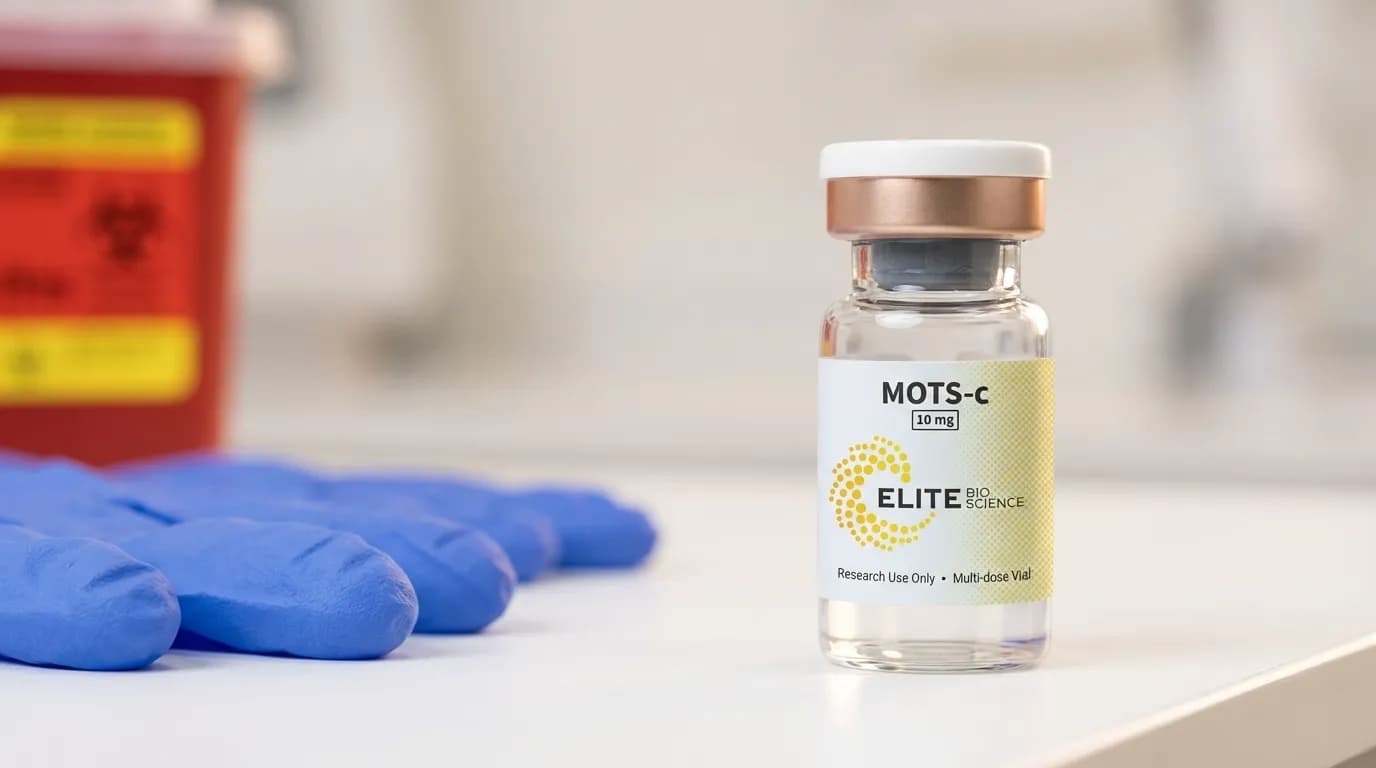
Injection Safety Guide
A comprehensive guide to safe injection techniques, proper handling, and storage of injectable products.
SubQ injections are administered into the fatty tissue just beneath the skin. Common injection sites include the abdomen (at least 2 inches from the navel), the upper outer thigh, and the back of the upper arm. Use a 27-31 gauge, 1/2 inch needle. Pinch the skin, insert at a 45-degree angle, inject slowly, and release the pinch before withdrawing.
IM injections are administered deep into muscle tissue. Common sites include the vastus lateralis (outer thigh), deltoid (upper arm), and ventrogluteal (hip). Use a 22-25 gauge, 1-1.5 inch needle depending on body composition. Insert at a 90-degree angle in a quick, dart-like motion. Aspirate briefly, then inject slowly.
Store lyophilized (freeze-dried) peptides at -20°C until reconstitution. Reconstituted peptides should be refrigerated at 2-8°C and used within 14-21 days. Injectable solutions should be stored per label instructions. Never use products that appear cloudy, discolored, or contain particulate matter.
Always wash hands thoroughly before handling. Swab injection site and vial tops with alcohol. Use a new, sterile needle for each injection. Never reuse needles or syringes. Allow alcohol to dry completely before injecting to prevent stinging.
Place used needles immediately into an FDA-cleared sharps container. Never recap, bend, or break needles. When the container is 3/4 full, follow your community's disposal guidelines. Many pharmacies offer free sharps disposal programs.
Mild redness and swelling at the injection site is normal and usually resolves within 24-48 hours. Seek medical attention for: signs of infection (increasing redness, warmth, pus, fever), allergic reactions (hives, difficulty breathing, swelling of face/throat), or persistent pain that worsens over time.