The Sirtuin Connection: Why NAD+ Is Tied to Aging
NAD+ is a required substrate for sirtuin enzymes, which tie into cellular stress response. Here is the result and what it does and does not mean, in plain English.
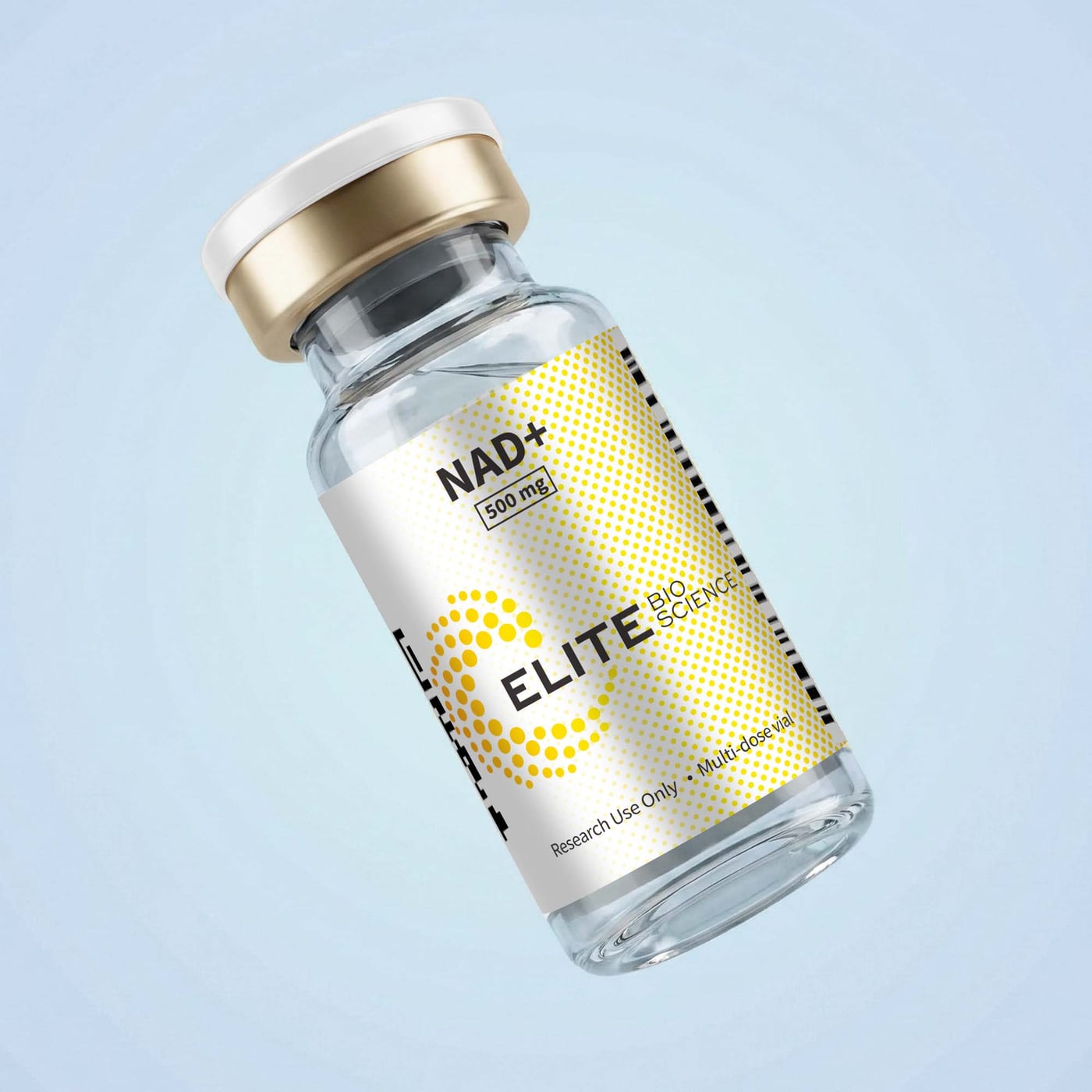
The second result is the one that ties NAD+ into the longevity conversation: its role as a sirtuin substrate. This article covers just that, because it is the link most people are implicitly pointing at when they talk about NAD+ and aging.
This is the result that pulled NAD+ out of the energy-biochemistry textbooks and onto the covers of aging journals. The energy-chain job was settled science for decades. The sirtuin link is what made NAD+ a longevity topic, and it is worth understanding on its own because it is the part of the story most often stretched past what the data show.
The same honest line applies here as everywhere in this library: this is a well-established dependency — sirtuins need NAD+. It is not a claim that raising NAD+ reliably extends life, or that more sirtuin activity is always better. The dependency is real. The outcomes downstream of the dependency are still being worked out. Hold those apart, because that is exactly the line popular coverage blurs.
What sirtuins do
StudySirtuins are a family of enzymes that modify other proteins in ways tied to cellular stress response and metabolic regulation. They are some of the most-studied enzymes in aging research, and a large part of the field's interest in NAD+ comes from them.
The catch is that sirtuins require NAD+ as a substrate. They do not just use it; they cannot function without it. When NAD+ is plentiful, sirtuin activity is healthy. When NAD+ is low, sirtuin activity drops.
It is worth being clear about what 'modify other proteins' means, because it is the mechanism behind the interest. Sirtuins remove specific chemical groups from other proteins, and that removal changes how those proteins behave. It is a way the cell switches the behavior of existing proteins on or off without making new ones. Because those switches touch stress response and metabolic regulation, sirtuins sit at a control point the aging field cares about. That is why a family of enzymes most people have never heard of gets so much research attention.
Why that link matters
StudyThat dependency is the link between NAD+ and aging. It is the reason NAD+ status and sirtuin activity are studied together, and the reason NAD+ shows up in every serious conversation about aging.
What it does not mean is that more NAD+ automatically means more sirtuin activity forever, or that more sirtuin activity automatically means a longer, healthier life. It means the two are linked, and that the link is real and well-studied. The outcomes downstream of that link are still being worked out. Hold the link and the outcome-claim apart.
There is a subtlety that makes the link even more interesting, and more easily oversold. Because sirtuins consume NAD+ to do their work, NAD+ is not just a passive helper here — it is a consumed substrate. That means NAD+ is being spent on the sirtuin job, and spent on other jobs too (PARPs, CD38, and others), all drawing on the same pool. So the question 'is there enough NAD+ for the sirtuins' is a question about allocation, not just abundance. That is a much more interesting question than 'more NAD+ equals more sirtuins,' and it is the one the actual research is asking.
What the link does and does not let you conclude
StudyThe cleanest way to hold this result is as a link, not a lever. The link says sirtuins depend on NAD+, and sirtuins are tied to stress response and metabolic regulation. That is real, well-established, and it is the reason NAD+ is a longevity topic at all.
What the link does not give you is a straight line from 'raise NAD+' to 'live longer, healthier.' That line has at least two unproven steps — that raising NAD+ reliably raises sirtuin activity in people over time, and that the resulting sirtuin activity reliably improves outcomes. Each step is plausible and each is being studied. Neither is settled. Anyone who talks as if the line is straight is selling the link as if it were the conclusion.
Read this result as the reason the field cares, not the reason you have your answer. The sirtuin link is why NAD+ is worth a serious research conversation. It is not, by itself, a recommendation. The recommendation — if one is ever warranted — has to come from the intervention studies, which are the next sub-article. The honest version keeps the link and the intervention separate, and is clear about which one is settled and which one is still open.
More from this research
Talk it through with a specialist
Private, written, no commitment. A research specialist replies on your timeline.
This article is provided for educational purposes only and does not constitute medical advice. These statements have not been evaluated by the FDA and are not intended to diagnose, treat, cure, or prevent any disease. For research use only.