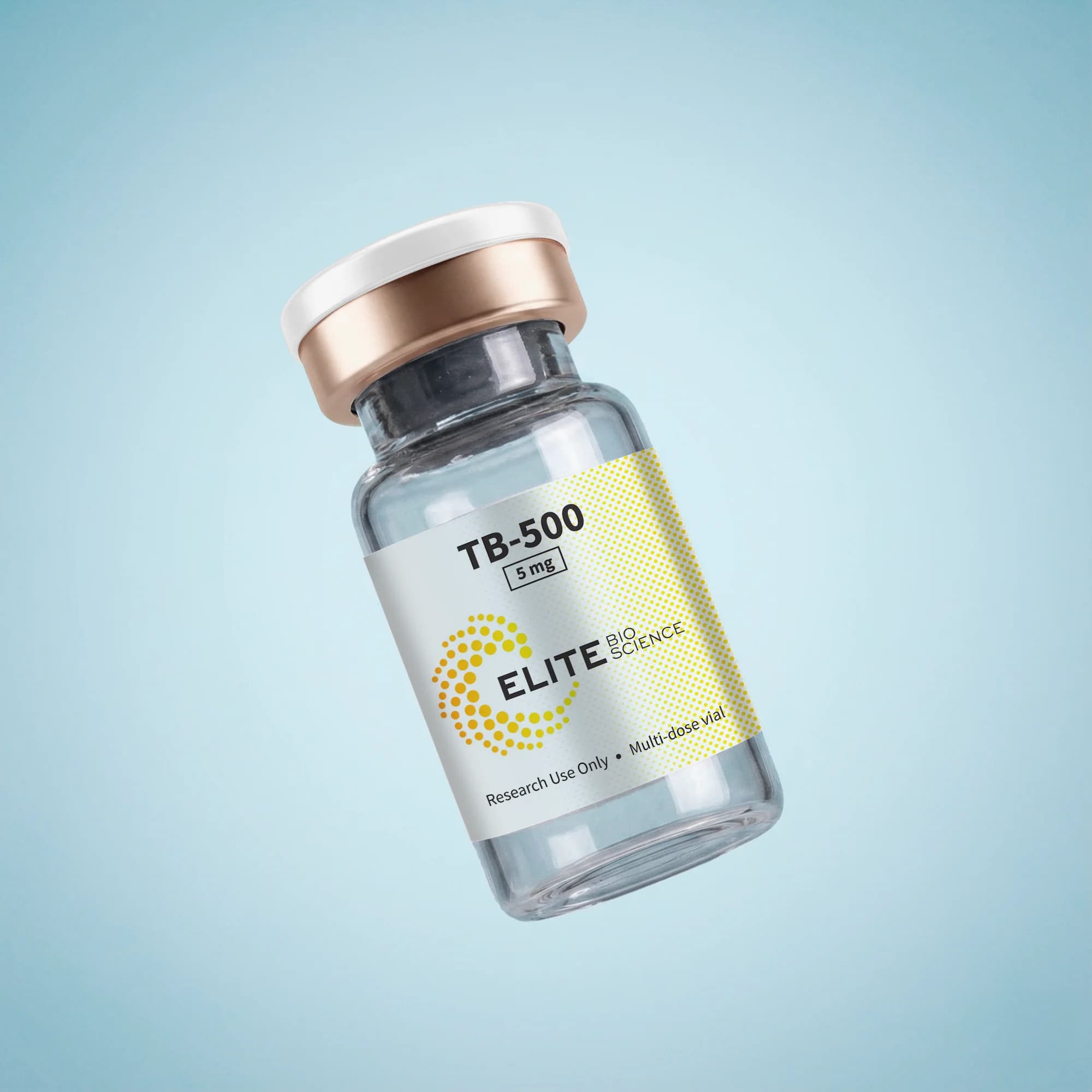
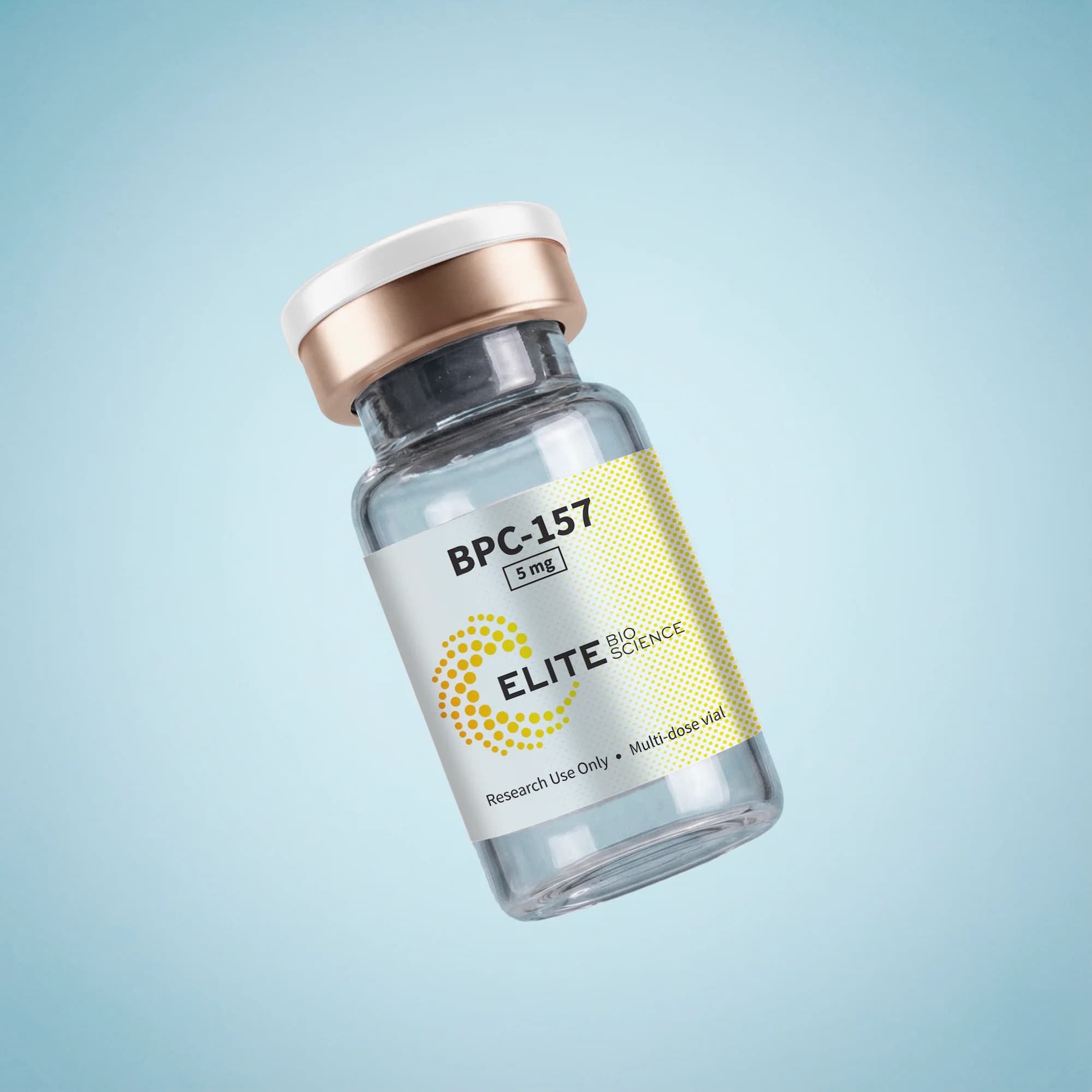
Introduction to BPC-157 and TB-500
In the landscape of peptide research, few compounds have generated as much interest as BPC-157 and TB-500. These two peptides, each with distinct mechanisms of action, are among the most studied compounds for tissue repair and recovery. Individually, they target critical pathways involved in healing; together, their complementary mechanisms have made them the subject of extensive research into synergistic recovery protocols.
This guide provides a thorough overview of each peptide's origins, mechanisms, research findings, and the scientific rationale for their combined use in research settings.
BPC-157: Body Protection Compound
Origins and Structure
BPC-157 (Body Protection Compound-157) is a pentadecapeptide — a chain of 15 amino acids — derived from a partial sequence of a protein found in human gastric juice. The gastric juice protein, known as Body Protection Compound (BPC), plays a protective role in the gastrointestinal tract, and BPC-157 was isolated as the stable, active fragment responsible for many of its biological effects.
The sequence (Gly-Glu-Pro-Pro-Pro-Gly-Lys-Pro-Ala-Asp-Asp-Ala-Gly-Leu-Val) is remarkably stable in human gastric juice and does not require a carrier protein for biological activity, distinguishing it from many other bioactive peptides.
Mechanism of Action
BPC-157 operates through multiple overlapping mechanisms that collectively promote tissue protection and repair:
- Growth Factor Modulation: BPC-157 upregulates the expression of growth factors including VEGF (vascular endothelial growth factor), FGF-2 (fibroblast growth factor), and EGF (epidermal growth factor). These growth factors are essential drivers of angiogenesis, fibroblast proliferation, and extracellular matrix remodeling.
- Nitric Oxide System Modulation: The peptide interacts with the nitric oxide (NO) system, which regulates blood vessel dilation, blood flow, and inflammatory signaling. By modulating NO pathways, BPC-157 supports vascular function at injury sites.
- Angiogenesis Promotion: Formation of new blood vessels (angiogenesis) is critical for delivering nutrients and oxygen to healing tissues. BPC-157 has been shown to accelerate angiogenesis in multiple preclinical models.
- Anti-Inflammatory Activity: BPC-157 reduces the expression of pro-inflammatory cytokines and modulates the inflammatory cascade, preventing excessive inflammation that can impede healing.
- Cytoprotection: True to its name, BPC-157 demonstrates broad cytoprotective properties, protecting cells from damage caused by oxidative stress, toxins, and ischemia-reperfusion injury.
Research Findings
The preclinical literature on BPC-157 is extensive, with studies spanning multiple tissue types and injury models:
- Tendon and Ligament: Studies demonstrate accelerated healing of transected Achilles tendons, medial collateral ligaments, and rotator cuff injuries in rodent models (Chang et al., J Orthop Res. 2021).
- Muscle: BPC-157 promoted recovery of crushed muscle tissue and reduced fibrosis at injury sites in preclinical models.
- Gastrointestinal: Given its gastric juice origins, BPC-157 has been extensively studied for GI protection, showing efficacy against NSAID-induced gastropathy, inflammatory bowel disease models, and esophageal lesions.
- Nervous System: Research has shown neuroprotective effects including protection against peripheral nerve crush injury and promotion of nerve regeneration.
- Bone: Studies indicate BPC-157 can accelerate fracture healing and improve bone density in animal models.
TB-500: Thymosin Beta-4 Fragment
Origins and Structure
TB-500 is a synthetic peptide representing the active region of Thymosin Beta-4 (TB4), a 43-amino-acid protein found in virtually all human and animal cells. Thymosin Beta-4 was first isolated from the thymus gland in the 1960s and was initially studied for its role in immune function before its broader tissue-repair properties were recognized.
TB-500 encompasses the key functional domain of TB4, specifically the actin-binding region centered around the amino acid sequence LKKTETQ (Ac-SDKP), which is responsible for the protein's primary biological activities.
Mechanism of Action
TB-500's mechanisms complement those of BPC-157 while operating through distinct pathways:
- Actin Regulation: TB-500 sequesters G-actin monomers, preventing premature polymerization and thereby promoting cell migration. This is critical because cells must move to injury sites to begin repair processes.
- Cell Migration: By modulating the actin cytoskeleton, TB-500 dramatically enhances the migration of endothelial cells, keratinocytes, and other cell types essential for tissue repair.
- Anti-Inflammatory Effects: TB-500 downregulates inflammatory cytokines including TNF-alpha and IL-6 while upregulating anti-inflammatory mediators, creating a more favorable environment for tissue healing.
- Stem Cell Recruitment: Research suggests TB-500 may activate resident stem and progenitor cells, directing them toward damaged tissue to participate in regeneration.
- Blood Cell Production: TB-500 has been associated with enhanced formation of blood vessels and production of red blood cells, supporting oxygen delivery to healing tissues.
Research Findings
The research base for TB-500 spans several decades and tissue types:
- Wound Healing: Thymosin Beta-4 is one of the first gene products upregulated after tissue injury. Topical and systemic administration of TB-500 accelerated wound closure in multiple animal models (Sosne et al., Exp Eye Res. 2002).
- Cardiac Repair: A landmark study by Bock-Marquette et al. (Nature, 2004) demonstrated that Thymosin Beta-4 promoted cardiac cell migration and survival, and improved cardiac function after myocardial infarction in mice.
- Corneal Healing: TB-500 has shown efficacy in promoting corneal epithelial wound healing and reducing inflammation in eye injury models.
- Hair Follicle Regeneration: Research indicates TB-500 promotes hair follicle stem cell migration and differentiation, stimulating hair regrowth in preclinical models.
The Synergy: Why Researchers Combine BPC-157 and TB-500
The scientific rationale for combining BPC-157 and TB-500 lies in their complementary and non-overlapping mechanisms of action. Rather than both peptides doing the same thing more intensely, each addresses different phases and aspects of the tissue repair cascade:
- Phase 1 — Inflammation Control: Both peptides reduce excessive inflammation, but through different molecular pathways. BPC-157 modulates the NO system and inflammatory cytokines, while TB-500 acts primarily through cytokine downregulation and immune cell modulation.
- Phase 2 — Cell Recruitment and Migration: TB-500 excels at promoting cell migration through actin regulation, while BPC-157 promotes angiogenesis to build the vascular infrastructure needed to support incoming cells.
- Phase 3 — Tissue Remodeling: BPC-157 upregulates growth factors (VEGF, FGF, EGF) that drive tissue remodeling, while TB-500's activation of progenitor cells provides the raw material for new tissue formation.
This complementary action across all three phases of healing is the theoretical basis for their synergistic use. Rather than redundancy, the combination addresses the full spectrum of the repair cascade.
Research Protocol Considerations
When designing research protocols involving BPC-157 and TB-500, several factors are important:
- Stability: BPC-157 is remarkably stable in gastric juice but should be stored at -20°C in lyophilized form. Reconstituted solutions are stable at 2-8°C for up to 14 days. TB-500 follows similar storage requirements.
- Reconstitution: Both peptides are supplied as lyophilized powders and should be reconstituted with bacteriostatic water using sterile technique.
- Timing: Research protocols vary, but many studies administer the peptides daily for periods ranging from 2 to 6 weeks, depending on the tissue model being studied.
Current Research Directions
Active research areas for both peptides include their potential roles in age-related tissue degeneration, chronic inflammatory conditions, post-surgical recovery models, and the molecular mechanisms underlying their cytoprotective effects. The combination protocol continues to be refined as new data emerges regarding optimal ratios, timing, and duration of administration.
Storage, Reconstitution, and Handling Best Practices
Proper handling of BPC-157 and TB-500 is essential for maintaining peptide integrity and ensuring consistent research results. Both peptides are supplied as lyophilized (freeze-dried) powders, which provides maximum stability during shipping and long-term storage. In lyophilized form, both peptides should be stored at -20°C and are stable for extended periods when kept sealed and protected from light and moisture.
Reconstitution should be performed using bacteriostatic water (sterile water containing 0.9% benzyl alcohol as a preservative) to allow for multi-dose use over the stability period. When reconstituting, direct the stream of water down the side of the vial rather than directly onto the peptide cake to avoid denaturation from mechanical stress. Gently swirl the vial — never shake vigorously — until the powder is fully dissolved.
Once reconstituted, BPC-157 solutions are stable at 2-8°C for approximately 14 days, while TB-500 maintains stability for a similar period. Both should be protected from light and temperature fluctuations. For research protocols extending beyond the stability window, it is advisable to prepare fresh reconstitutions rather than storing solutions for extended periods.
Understanding the Evidence Hierarchy
Researchers should be aware of the current evidence levels for each peptide when designing protocols. BPC-157 has an extensive preclinical evidence base spanning hundreds of published studies across multiple tissue types and injury models. However, large-scale human clinical trials are still limited. TB-500 (via its parent protein Thymosin Beta-4) has both preclinical data and some human clinical data, particularly in wound healing and ophthalmology applications.
The transition from preclinical to clinical evidence requires careful consideration of dosing translation, route of administration optimization, and endpoint selection. Animal model doses do not translate directly to human doses due to differences in body surface area, metabolic rate, and receptor expression. Allometric scaling methods provide a starting framework, but human dose-finding studies remain essential for establishing appropriate research parameters.
Conclusion
BPC-157 and TB-500 represent two of the most well-characterized peptides in regenerative research. Their distinct but complementary mechanisms — BPC-157's growth factor modulation and angiogenesis promotion, and TB-500's cell migration enhancement and stem cell activation — provide a strong scientific rationale for combined research protocols. As the body of preclinical evidence continues to grow, these peptides remain at the forefront of tissue repair and recovery research.
The scientific community continues to refine our understanding of optimal dosing, timing, and duration for both individual and combined protocols. Ongoing research into the molecular crosstalk between the pathways activated by each peptide promises to further elucidate the basis for their observed synergistic effects and guide the design of more sophisticated research protocols.
All compounds discussed in this article are for research purposes only. Researchers should refer to the primary literature for detailed protocols, safety data, and dosing information.