Defining Peptides
Peptides are short chains of amino acids linked together by peptide bonds. While proteins can contain hundreds or thousands of amino acids, peptides typically range from 2 to about 50 amino acids in length. This smaller size gives them several unique properties: they are more easily synthesized, they tend to have highly specific receptor targets, and they are rapidly absorbed and metabolized by the body.
The human body naturally produces thousands of peptides that serve as signaling molecules, hormones, neurotransmitters, and structural components. Insulin, oxytocin, and endorphins are all peptides that most people have heard of, but the peptide landscape extends far beyond these well-known examples.
How Peptides Differ from Other Molecules
Understanding where peptides fit in the molecular hierarchy helps clarify their unique role:
- Amino Acids: The individual building blocks. There are 20 standard amino acids that combine in various sequences to form peptides and proteins.
- Peptides: Chains of 2-50 amino acids. Small enough to be highly specific in their receptor binding, yet complex enough to trigger sophisticated biological responses.
- Proteins: Chains of more than 50 amino acids that fold into complex three-dimensional structures. Proteins serve as enzymes, structural components, transporters, and signaling molecules.
Peptides occupy a unique middle ground — they are large enough to carry biological specificity (targeting particular receptors with precision) but small enough to be synthesized, modified, and studied with relative ease compared to full-length proteins.
The Science of Peptide Signaling
Peptides exert their biological effects primarily by binding to specific receptors on cell surfaces or, in some cases, within cells. This binding triggers a cascade of intracellular events known as signal transduction. The specificity of peptide-receptor interactions is determined by the peptide's amino acid sequence, its three-dimensional shape, and its charge distribution.
When a peptide binds to its target receptor, it can activate or inhibit various intracellular pathways:
- G-protein coupled receptors (GPCRs): Many peptides signal through GPCRs, activating cascades that involve second messengers like cAMP and calcium ions. Examples include GLP-1 receptor agonists and growth hormone secretagogues.
- Receptor tyrosine kinases: Some peptides activate these receptors, triggering phosphorylation cascades that regulate cell growth, differentiation, and survival. IGF-1 signaling is a well-known example.
- Nuclear receptors: Certain peptides or their metabolites can influence gene expression directly by interacting with transcription factors.
Categories of Research Peptides
The peptides currently under active research can be broadly categorized by their primary areas of investigation:
Growth Hormone Signaling Peptides
These peptides stimulate the body's own production and release of growth hormone through two main pathways. Growth hormone releasing hormone (GHRH) analogs like CJC-1295 and Sermorelin act on the GHRH receptor in the pituitary gland. Growth hormone secretagogues like Ipamorelin act on the ghrelin receptor (GHS-R1a). The two pathways are complementary, which is why they are often studied in combination.
Recovery and Tissue Repair Peptides
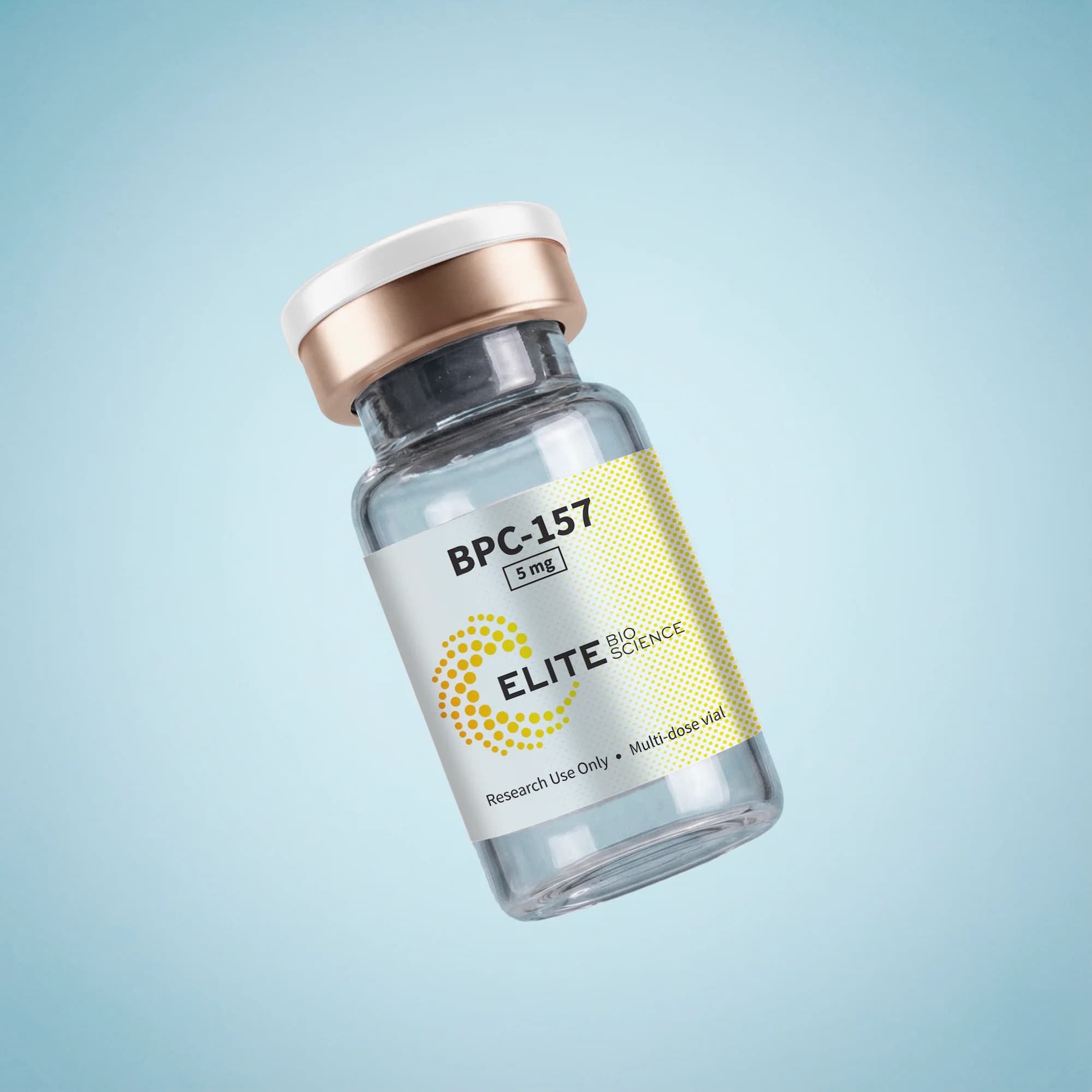
Peptides like BPC-157 and TB-500 target the tissue repair cascade at multiple points. They modulate inflammation, promote angiogenesis (new blood vessel formation), enhance cell migration, and upregulate growth factors essential for tissue remodeling. These peptides have been studied across a wide range of tissue types including tendons, muscles, the gastrointestinal tract, and the nervous system.
Metabolic and Weight Management Peptides
The incretin-based peptides — semaglutide (GLP-1 agonist), tirzepatide (dual GIP/GLP-1 agonist), and retatrutide (triple GLP-1/GIP/glucagon agonist) — represent a rapidly advancing area of metabolic research. These peptides modulate appetite, insulin sensitivity, and energy expenditure through specific receptor pathways in the pancreas, hypothalamus, and peripheral tissues.
Longevity and Anti-Aging Peptides
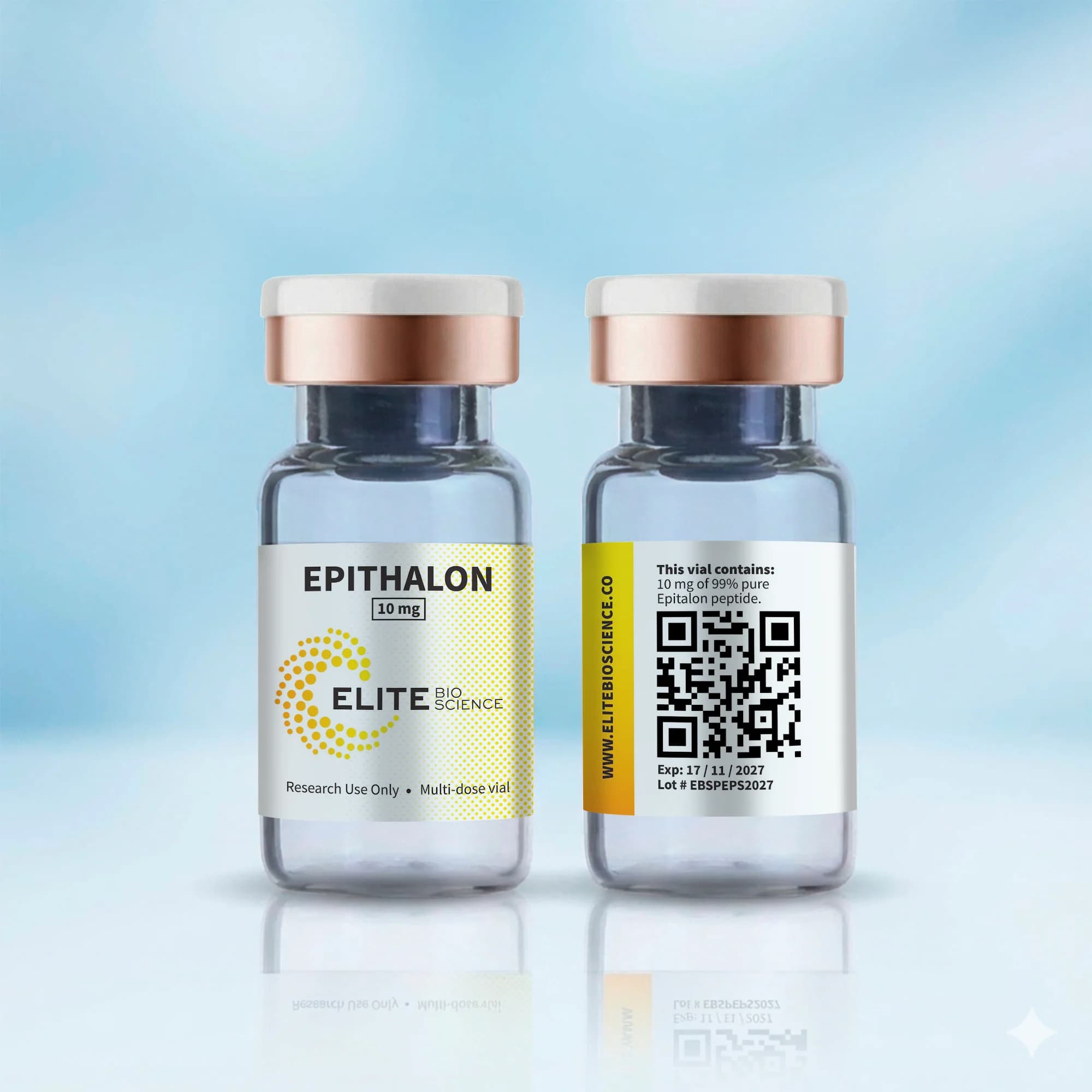
Peptides like Epithalon (a synthetic tetrapeptide based on Epithalamin) and GHK-Cu (a naturally occurring copper tripeptide) are being studied for their effects on cellular aging mechanisms. Epithalon research focuses on telomerase activation and pineal gland function, while GHK-Cu is studied for its ability to modulate gene expression patterns associated with tissue remodeling and regeneration.
Endocrine and Reproductive Peptides
A distinct category of research peptides targets the endocrine system — the network of glands that produce hormones regulating reproduction, metabolism, growth, and development. Kisspeptin-10, a neuropeptide that activates the GPR54 receptor on hypothalamic GnRH neurons, is being studied for its role in triggering gonadotropin-releasing hormone secretion and regulating the reproductive axis. Melanotan II, a melanocortin receptor agonist, is studied for its effects on pigmentation biology, melanogenesis, and melanocortin receptor pharmacology.
These peptides illustrate how specific amino acid sequences can influence highly regulated hormonal cascades. Even small changes in peptide structure can shift receptor selectivity from one melanocortin receptor subtype to another, producing dramatically different biological outcomes. This precision of action makes endocrine peptides valuable tools for dissecting the complex feedback loops that govern hormonal regulation.
Mitochondrial and Energy Peptides
MOTS-c and SS-31 (Elamipretide) represent an emerging class of peptides that target mitochondrial function. MOTS-c activates the AMPK energy-sensing pathway, while SS-31 stabilizes cardiolipin in the inner mitochondrial membrane to optimize electron transport chain efficiency. NAD+ supplementation, while technically a coenzyme rather than a peptide, is frequently discussed alongside these compounds due to its central role in mitochondrial energy production.
The mitochondrial peptide class is particularly interesting because it reveals a previously underappreciated layer of biological signaling: the mitochondrial genome, once thought to encode only structural and enzymatic components of the electron transport chain, actually produces bioactive peptides that regulate cellular metabolism at a systemic level. This discovery has opened an entirely new avenue of peptide research focused on the communication between mitochondria and the nucleus.
Peptide Purity and Quality
The quality of research peptides is paramount. Key quality indicators include:
- Purity: High-performance liquid chromatography (HPLC) is the standard method for assessing peptide purity. Research-grade peptides typically achieve 98% or higher purity, with premium products reaching 99%+.
- Identity Confirmation: Mass spectrometry confirms that the synthesized peptide matches the intended sequence and molecular weight.
- Endotoxin Testing: Bacterial endotoxin testing ensures the product is free from pyrogenic contaminants.
- Sterility: For injectable formulations, sterility testing is essential to ensure safety in research applications.
Third-party testing by independent laboratories provides an additional layer of verification, and reputable suppliers make certificates of analysis (COAs) available for every batch.
Storage and Handling
Proper storage is critical for maintaining peptide integrity:
- Lyophilized (powder) form: Most peptides are supplied as freeze-dried powders that should be stored at -20°C for long-term stability. Some peptides are stable at 2-8°C for shorter periods.
- Reconstituted form: Once reconstituted with bacteriostatic water, peptide solutions are typically stable at 2-8°C for 14-28 days depending on the specific compound.
- Light sensitivity: Many peptides are photosensitive and should be protected from direct light during storage.
- Freeze-thaw cycles: Repeated freezing and thawing can degrade peptides. Aliquoting reconstituted solutions into single-use portions is recommended.
The Current State of Peptide Research
Peptide research is advancing rapidly across multiple fronts. The success of GLP-1 receptor agonists in clinical trials has brought mainstream attention to peptide-based therapies, while preclinical research continues to expand our understanding of tissue repair, longevity, and mitochondrial health peptides.
As analytical techniques improve and synthesis costs decrease, the accessibility of high-purity research peptides continues to increase, enabling more researchers to contribute to this expanding field. The specificity of peptide-receptor interactions makes them particularly attractive as research tools because their effects can be precisely attributed to defined molecular mechanisms.
Regulatory Landscape and Research Access
The regulatory environment for research peptides varies by jurisdiction and compound. In the United States, many peptides are available for research use without a prescription, while others (particularly those with approved pharmaceutical formulations, like semaglutide) are regulated as prescription medications. Researchers should be familiar with the regulatory status of the specific compounds they intend to study.
Access to high-quality research peptides depends on sourcing from reputable suppliers who provide comprehensive documentation including certificates of analysis (COAs), HPLC purity reports, mass spectrometry confirmation, and endotoxin testing results. Third-party verification by independent laboratories adds an additional layer of confidence in product quality and identity.
The distinction between "research use only" peptides and FDA-approved pharmaceutical products is important. Research peptides are manufactured for investigational purposes and are not intended for human therapeutic use without appropriate regulatory approval and medical oversight. This regulatory framework exists to ensure safety while preserving access for legitimate scientific investigation.
The Future of Peptide Research
Several trends are shaping the future of peptide research. Advances in solid-phase peptide synthesis have reduced production costs and increased accessibility. Computational chemistry and machine learning are accelerating the discovery of novel peptide sequences with optimized receptor binding and pharmacokinetic properties. Nanotechnology-based delivery systems are being developed to improve peptide bioavailability and enable oral administration of compounds that currently require injection.
The success of GLP-1 agonists in mainstream medicine has validated the peptide modality and attracted significant investment in peptide drug development. This is likely to accelerate clinical translation of compounds currently in preclinical stages and expand the range of conditions amenable to peptide-based intervention.
Conclusion
Peptide therapy represents a frontier in biomedical research where the precision of molecular biology meets the practical demands of health optimization. From growth hormone signaling to tissue repair, metabolic regulation to cellular longevity, peptides offer researchers a toolkit of highly specific signaling molecules for investigating fundamental biological processes.
As the field matures, the depth of understanding around peptide mechanisms, interactions, and optimal protocols continues to grow. For researchers entering this space, a strong foundation in receptor pharmacology, signal transduction, and peptide chemistry provides the framework for designing rigorous and informative studies.
All compounds discussed in this article are for research purposes only. This content is educational and based on published scientific literature.