The Honest Read on the Human Evidence
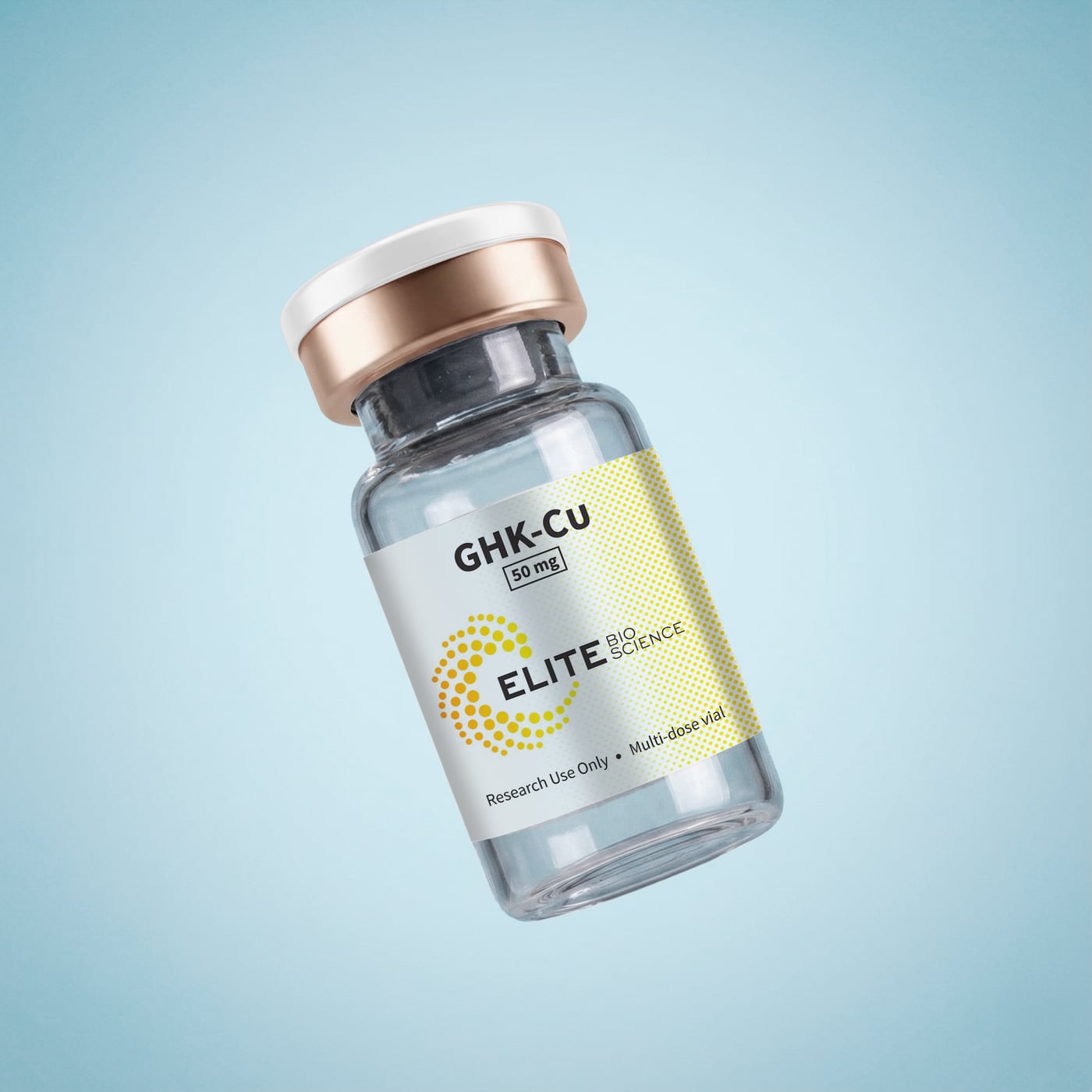
Most GHK-Cu evidence comes from lab and ex-vivo work plus small studies; large controlled human trials are limited. Here is exactly how to read that, honestly.
The fourth result is the one the rest of the literature depends on: how far the evidence actually goes. This article is careful about it, because this is the line that gets blurred when GHK-Cu is sold as 'proven to reverse skin aging.' The honest read is that the human evidence is limited and mostly small.
This is the sub-article where the honest version of the GHK-Cu story either earns your trust or loses it. The marker research is solid. The gene-effect data is broad. The age-decline trend is replicated. None of that is in dispute. What is in dispute is how much of that translates into outcomes a person can see, and the honest answer is that the large controlled trials have not been done.
The same line applies here as everywhere in this library: the standard of evidence for a marker claim is not the standard of evidence for an outcome claim. The first is a lab study. The second is a large controlled trial in people. The GHK-Cu literature has more of the first than the second, and the honest move is to say so plainly rather than pretend the gap does not exist.
What was measured / what the data showed
StudyThe published human work on GHK-Cu is mostly small cosmetic-application studies — short duration, small groups, often without the controls you would want for a confident outcome claim. That is not a knock on the researchers; it is the standard shape of early cosmetic-peptide research, and it is exactly how the early glutathione and NAD+ literatures looked before larger trials followed.
What those small studies generally showed was marker-level improvements — changes in measures of skin appearance, texture, or repair-related readouts, in the studied direction, in the studied groups. That is a real category of evidence. It is consistent with the lab and ex-vivo work. It is not the same as a large, randomized, controlled trial, and reading it as if it were is the most common error in popular coverage of this peptide.
It is also worth being precise about what 'limited human evidence' means as a phrase. It does not mean 'no human evidence.' It means the human evidence that exists is small in scale, short in duration, and limited in the controls that would let you make a confident outcome claim. The honest version of 'limited' is 'real but small,' not 'absent.' Hold that precisely, because both edges — pretending the evidence is bigger than it is, or dismissing it because it is small — are the two errors popular coverage makes most.
What it does and does not tell you
StudyIt tells you the molecule plausibly translates from lab to people — small human studies showing marker-level improvements in the studied direction are exactly what you would expect if the lab work was real and the mechanism translated at all. That is a meaningful link, and it is the floor of evidence you would want before taking a compound seriously.
It does not tell you what a sustained approach does over months, what the size of the effect is in a real-world setting, or whether the marker shifts add up to outcomes a person cares about. Those questions need larger and longer studies, and those studies have not been the bulk of the GHK-Cu literature so far.
The cleanest way to hold this result is as the fourth link in the chain: the signal fades with age, it moves repair markers in models, it shifts the repair-and-matrix gene program, and small human studies show marker-level improvements in the studied direction. That is a real foundation. It is not a finished answer, and the honest version of this article refuses to hand you the foundation and call it the building.
What it means in practice / why it matters
StudyIn plain terms: the human evidence for GHK-Cu is real but small. That is enough to take the molecule seriously as a research topic, and it is not enough to claim it reverses skin aging in humans. Both of those are true at once, and the honest read holds both in view.
What it does not mean is that GHK-Cu is a scam, or that the research is worthless, or that you should dismiss it. It means the standard of evidence for the strongest claims people make about this peptide has not been met yet, and the honest move is to say so rather than stretch. The lab work, the gene data, and the age-decline trend all stand. The outcome claim does not, at the standard that would warrant it.
The practical takeaway is this: read GHK-Cu coverage the way you read any early-stage peptide literature — interested, careful, and honest about where the evidence ends. If someone tells you the human trials are done and the verdict is in, they are ahead of the literature. If someone tells you it is all hype and nothing is there, they are behind the literature. The truth is in between: a real, well-studied signal, with a real but limited human evidence base, and a genuine question about what it does in people over time. That is the version worth holding, and it is the version we will give you straight.
More from this research
Talk it through with a specialist
Private, written, no commitment. A research specialist replies on your timeline.
This article is provided for educational purposes only and does not constitute medical advice. These statements have not been evaluated by the FDA and are not intended to diagnose, treat, cure, or prevent any disease. For research use only.