Skin Regeneration in Research Models: What Was Actually Measured
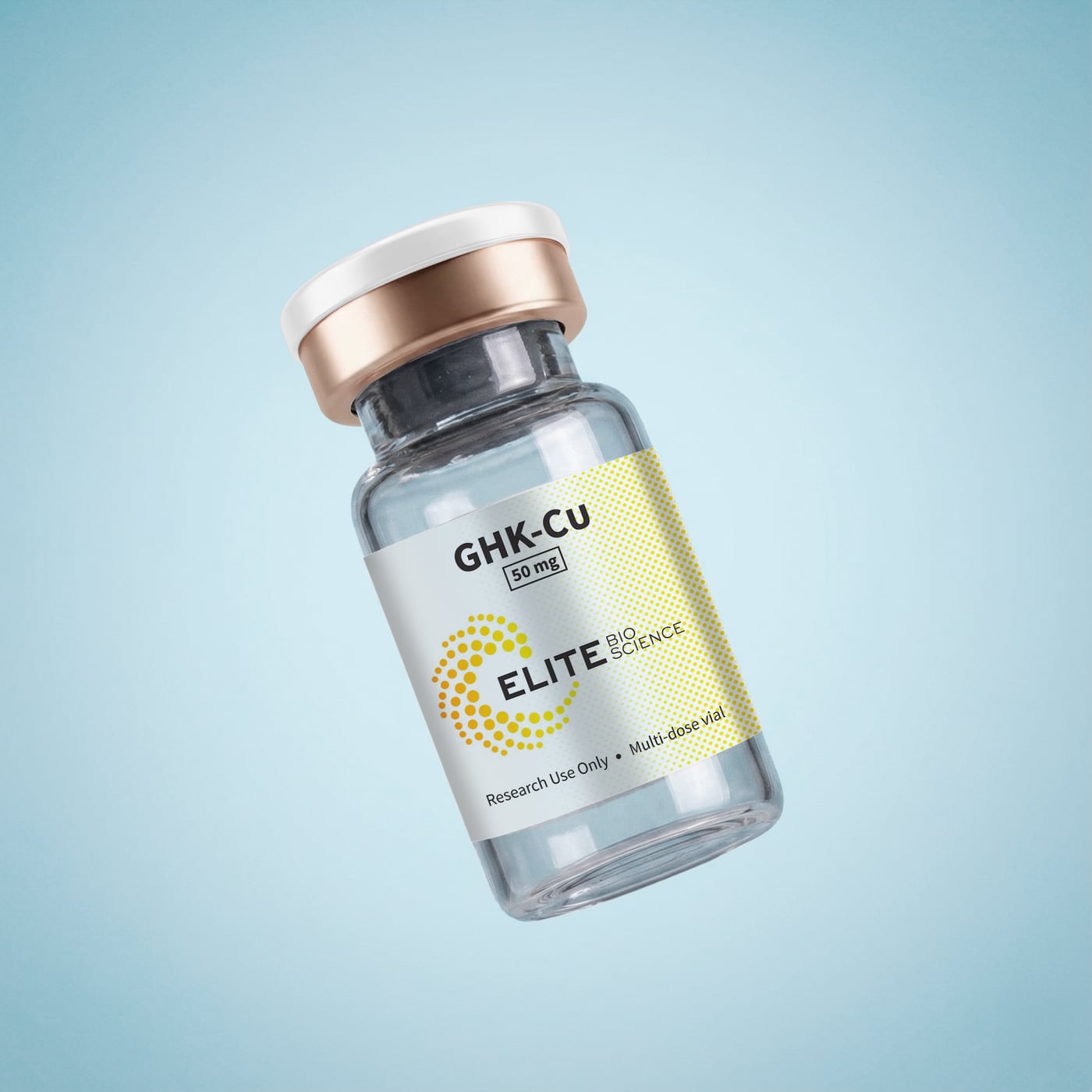
In research and ex-vivo models, GHK-Cu was associated with skin regeneration and improved repair markers. Here is what was actually measured — and what was not.
The second result is the one most often over-claimed: the skin-regeneration finding. This article is careful about what was actually shown, because 'associated with skin regeneration in models' is a very specific kind of claim and the popular version stretches it into 'reverses skin aging in humans,' which the data does not support.
This is where the honest version of the GHK-Cu story either holds together or falls apart. The marker result is real — fibroblast activity, collagen production, repair markers do shift in the studied direction in the models that were used. The question is what that movement is worth in a living human over time, and the honest answer is more limited than the supplement-aisle version. We will keep the limit visible, because it is the whole point.
The same line applies as everywhere in this library: a marker response in a model is a marker response in a model. It tells you the input moves measurable things in the studied direction. It does not, by itself, tell you what moving those markers does over time in a person, or what it means for any specific goal. The markers move in models. The outcomes in humans are still being studied.
What was measured / what the data showed
StudyIn lab and ex-vivo models — cultured skin fibroblasts, keratinocytes, and human skin samples kept alive in organ culture — GHK-Cu was associated with shifts in repair markers. Fibroblasts (the cells that make collagen and the extracellular matrix) showed increased activity. Collagen production markers moved in the studied direction. Markers tied to tissue repair shifted in ways the researchers described as regenerative.
It is worth being precise about what 'skin regeneration in models' means. It does not mean the peptide was applied to a living person and their skin regenerated. It means the cells and tissue samples researchers kept in culture responded to the presence of GHK-Cu with marker shifts in the direction you would call regenerative in a clinical setting. That is a real category of evidence — it is exactly how skin-research compounds get screened — and it is not the same category as a human outcome trial.
The size of the response matters too. The marker shifts were not subtle, and they were consistent across multiple model systems, which is part of why GHK-Cu got so much research attention. A consistent marker shift across fibroblast, keratinocyte, and organ-culture models is the kind of pattern that makes a field think the molecule is doing something real rather than artifact.
What it does and does not tell you
StudyIt tells you the input moves repair markers in the direction you would predict, in the models researchers use to study skin. It does not tell you what a sustained approach does in a living human over months, or what those marker shifts translate into at the level of skin someone can actually see in the mirror.
Read this result as the second link in a chain, not the whole chain. The first link is the decline with age — the signal fades. This is the second link — the signal, when present, moves the markers you would expect, in models. The third link — whether moving those markers in a person changes the outcomes they care about — is the link the field has not finished building.
This is the gap to watch in every skin-research writeup you ever read, GHK-Cu or otherwise. 'Regenerates skin in models' is a marker claim. 'Reverses skin aging in humans' is an outcome claim. They sound similar in a sales sentence and they are very different in evidence. A marker claim has the weight of a lab study behind it. An outcome claim has the weight of a large, controlled human trial behind it. The GHK-Cu literature has more of the first than the second. That is not a reason to dismiss it. It is a reason to be precise about what you are being shown.
What it means in practice / why it matters
StudyIn plain terms: in the models researchers use to study skin, GHK-Cu moves the repair markers in the direction you would predict. That is worth a lot — it is the reason the rest of the GHK-Cu literature exists, and it is the link that says the lever is actually connected to the thing you want to move.
What it does not mean is that the same shift happens, at the same size, in a living human over time. Models are models. A fibroblast in a dish is not skin in a person. The translation from model to human is the step where many promising skin-research compounds fail, and the honest version of this story keeps that step in view rather than pretending it is already done.
The practical read is this: the marker research tells you GHK-Cu is doing something real to the cells and tissue that govern skin repair. That is enough to take the molecule seriously. It is not enough to claim it reverses skin aging in humans, and the honest version of this article will not make that claim. Anyone who reads 'regenerates in models' and hands you back 'reverses skin aging' is filling in a gap the study did not address. The honest version keeps the result and leaves the gap visible.
More from this research
Talk it through with a specialist
Private, written, no commitment. A research specialist replies on your timeline.
This article is provided for educational purposes only and does not constitute medical advice. These statements have not been evaluated by the FDA and are not intended to diagnose, treat, cure, or prevent any disease. For research use only.