New Blood Vessels at the Healing Site: The Angiogenesis Finding
Reported effects included improved angiogenesis — new blood vessel formation — at healing sites in the studied models. Here is what that means and what it does and does not tell you.
The second result is the angiogenesis finding — new blood vessel formation at healing sites. This article unpacks that one result carefully, because it is the mechanism behind the repair story and it is the part most often presented as if it were an outcome.
Why does angiogenesis matter for repair? Because a healing site needs blood flow to bring in the cells and nutrients that rebuild tissue. No new vessels, no rebuilding. So a compound that, in preclinical models, is associated with new blood vessel formation at the healing site is a compound that is touching a real mechanism behind repair. That is worth understanding on its own.
The same honest line applies here as everywhere in this library: angiogenesis at a healing site in an animal model is a marker and a mechanism, not a human outcome. It tells you the compound is associated with a real biological process that is plausibly part of repair. It does not, by itself, tell you that the same thing happens in people, or that the new vessels lead to faster human recovery. Hold those apart.
What was measured / what the data showed
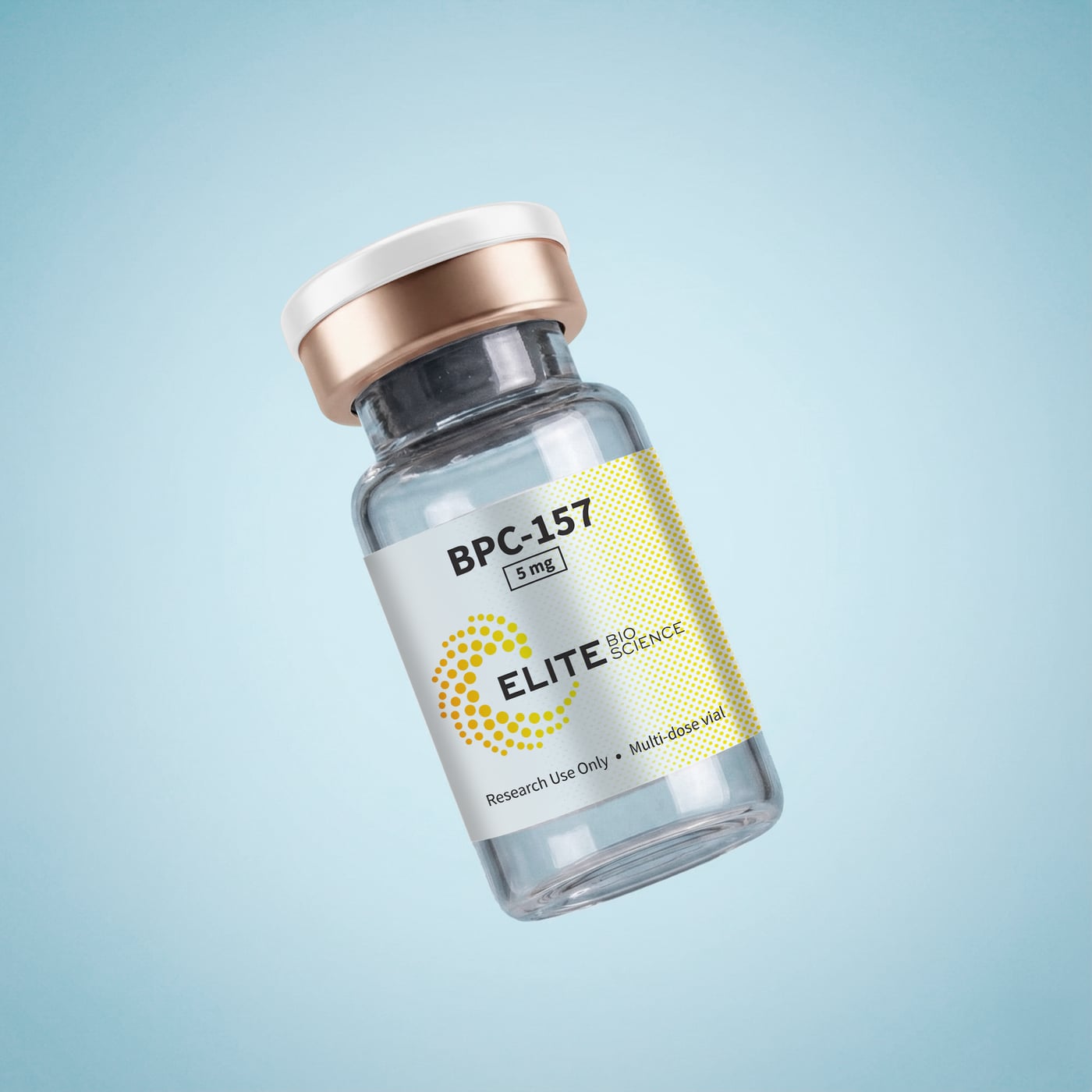
StudyIn preclinical models, BPC-157 was associated with improved angiogenesis at healing sites. Researchers looked at the healing tissue and tracked the formation of new blood vessels — the physical structure and the markers that indicate new vessel growth.
What they reported: healing sites in the models that received BPC-157 showed more new blood vessel formation than controls. That is a real preclinical finding, and it lines up with the repair story — new vessels are how a healing site gets the supplies it needs to rebuild.
It is worth being precise about what 'angiogenesis' means here, because the word gets used loosely. Angiogenesis is the formation of new blood vessels from existing ones. It is a specific, measurable biological process — not a vague 'increased blood flow.' Researchers can count the new vessels, measure the markers, and look at the structure under a microscope. So when the literature reports improved angiogenesis, that is a concrete readout, not a hand-wave.
What it does and does not tell you
StudyIt tells you BPC-157 is associated with a real mechanism that is plausibly part of how repair happens — new blood vessel formation at the healing site, in animal and lab models. That is a genuine piece of evidence and it is part of why researchers take this compound seriously.
It does not tell you that BPC-157 causes new blood vessel formation in humans, or that more new vessels lead to faster human recovery, or that the preclinical finding will replicate in people. The mechanism is interesting. The human outcome is a separate question.
This is the gap to watch. 'Associated with angiogenesis in preclinical models' is a mechanism claim. 'Improves healing in people' is an outcome claim. They sound close in a sales sentence and they are very different in evidence. A mechanism claim has the weight of preclinical research behind it. An outcome claim has the weight of controlled human trials behind it. The BPC-157 literature has more of the first than the second. That is not a reason to dismiss it. It is a reason to be precise about what you are and are not being shown.
What it means in practice / why it matters
StudyIn plain terms: in the preclinical models studied, BPC-157 was associated with the formation of new blood vessels at healing sites. That is the kind of mechanism that makes a compound worth a closer look as a repair-related candidate.
What it does not mean is that the mechanism is the outcome. New vessels in an animal model do not, by themselves, tell you that a human tendon heals faster. The mechanism is a lead. The outcome is what the lead is supposed to produce, and the outcome is the part the field is still working on.
The honest read is this: BPC-157 is worth your attention as a research topic partly because the angiogenesis finding gives the repair story a plausible mechanism. The compound touches a real biological process that is plausibly part of repair. That is genuinely interesting. It is not, by itself, a human-outcome claim, and we will not pretend it is.
More from this research
Talk it through with a specialist
Private, written, no commitment. A research specialist replies on your timeline.
This article is provided for educational purposes only and does not constitute medical advice. These statements have not been evaluated by the FDA and are not intended to diagnose, treat, cure, or prevent any disease. For research use only.