Mostly Preclinical: What the Evidence Base Actually Is
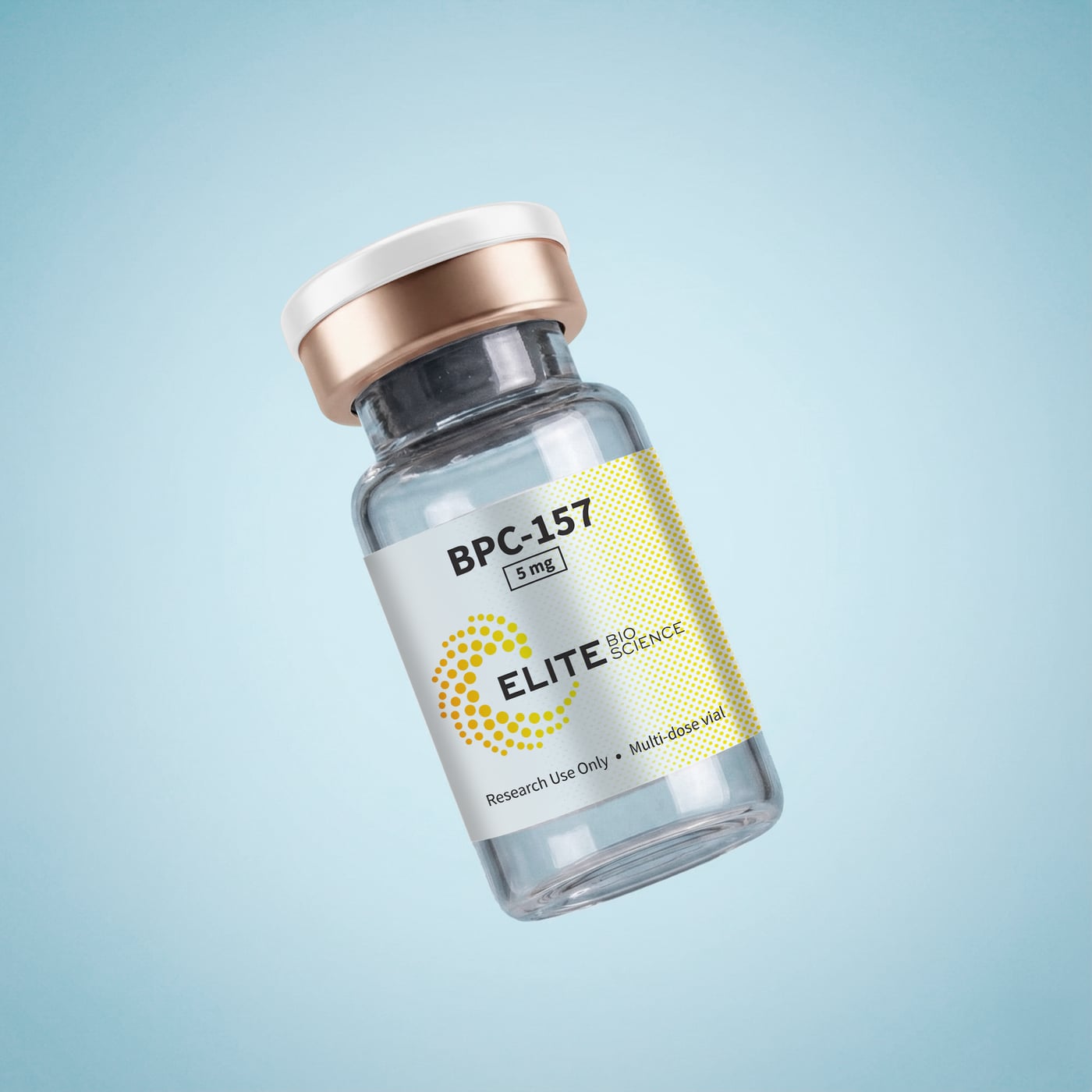
Most of the BPC-157 evidence is from animal and lab models; controlled human trials are limited. Here is exactly what that means and why it matters more than any single finding.
The third result is the one this whole set hinges on: the evidence base is mostly preclinical. This article is the load-bearing honest caveat of the BPC-157 story, and it is the one most often buried under the enthusiasm.
This matters more than any single finding, because the strength of the evidence is the thing that decides what the findings are worth. A consistent preclinical finding is one kind of evidence. A controlled human trial is a very different kind. The BPC-157 literature has a lot of the first and very little of the second. That is not a dismissal — it is a description of where the field actually sits.
The same honest line applies here as everywhere in this library: preclinical evidence is real evidence. It is just a specific kind, with a specific reach. It tells you the compound is worth taking seriously and worth the human studies. It does not, by itself, tell you what the compound does in people. Holding that line is the whole point of this sub-article.
What was measured / what the data showed
StudyThe narrative review summarized the BPC-157 literature and was explicit about its composition: most of the evidence is from animal and lab models, with limited controlled human data. That is an honest reflection of the literature, not a critique of it.
Preclinical models — animal models, lab models, cell models — are a real and necessary stage of research. They are how a field establishes biological plausibility, mechanism, and a lead worth pursuing in people. A consistent body of preclinical work is exactly what makes a compound worth the next step.
The BPC-157 preclinical base is broad. It spans tendon, ligament, muscle, and bone contexts, and it has been produced by several research groups over decades. That breadth and consistency is part of why researchers keep coming back to this compound. It is a real lead. It is also, almost entirely, a preclinical lead.
What it does and does not tell you
StudyIt tells you the compound is biologically plausible and that the preclinical findings are consistent enough to be worth pursuing in people. That is a real standard of evidence — the standard that justifies the next, more expensive, more demanding step.
It does not tell you that BPC-157 works the same way in humans. Animal and lab models are not people. They are useful precisely because they let you isolate a mechanism, but they routinely fail to predict human outcomes. A preclinical finding is a hypothesis about what the compound might do, not a claim about what it does do. The history of biomedical research is full of compounds that looked excellent in preclinical models and did not replicate in people.
This is the single most important distinction in the whole BPC-157 story, so it is worth saying once more. 'Reported in preclinical models' and 'works in humans' are different claims with different evidence. The literature strongly supports the first. The literature is still working on the second. Anyone who hands you the first as if it were the second is selling, not explaining. The honest version keeps the two separate and is clear about which one is settled and which one is ahead.
What it means in practice / why it matters
StudyIf the evidence is mostly preclinical, why does anyone care? Because a consistent body of preclinical work is exactly the kind of lead that makes a compound worth serious research attention. The preclinical findings are not a recommendation. They are a reason to do the human studies that would actually answer the question.
A lead is not a conclusion. It is a reason to run the next set of studies. The next set of studies — controlled human trials — is largely ahead of the BPC-157 field. Some limited human reports exist, and they are interesting, but they are not the same standard of evidence as controlled trials. The honest read is: the preclinical base is strong enough to justify the human work, and the human work is mostly still to be done.
So hold the result in its honest form: BPC-157 is a compound with a consistent, broad preclinical base and a thin controlled human layer. That is real, and it is enough to make BPC-157 worth your attention as a research topic. It is not, by itself, enough to tell you what the compound does in people. The what-it-does-in-people part is a separate question, and we will not pretend otherwise.
More from this research
Talk it through with a specialist
Private, written, no commitment. A research specialist replies on your timeline.
This article is provided for educational purposes only and does not constitute medical advice. These statements have not been evaluated by the FDA and are not intended to diagnose, treat, cure, or prevent any disease. For research use only.