The Repair Finding: BPC-157 and Tendon-to-Bone Healing
In preclinical models, BPC-157 was associated with accelerated tendon-to-bone healing and ligament repair. Here is what was actually reported — and what that does and does not tell you.
The first and most-cited result from the BPC-157 literature is the tendon and ligament repair finding. This article breaks that one result out so you can see exactly what was reported and what was claimed, without the rest of the review around it.
Why pull this one result out on its own? Because tendon and ligament repair is the load-bearing claim of the whole BPC-157 story. If the compound did everything else but did not show repair-related effects in preclinical models, the story would be a footnote. The fact that it has been associated with accelerated tendon-to-bone healing and ligament repair, across many preclinical studies, is what makes the rest of the research worth doing.
One line we will hold throughout, because popular coverage blurs it: a preclinical finding is a preclinical finding. It tells you the compound did something measurable in an animal or lab model. It does not, by itself, tell you what it does in humans, or what it means for any specific person's recovery. We will keep that line visible here, because it is exactly the line that gets erased in the sales version of this story.
What was measured / what the data showed
StudyIn preclinical models, BPC-157 was associated with accelerated tendon-to-bone healing and ligament repair. Researchers studied the compound in animal models of tendon and ligament injury and tracked healing outcomes — the strength of the repaired tissue, the structure of the healing site, the timeline of recovery.
What they reported: healing was faster and the repaired tissue looked better organized in the models that received BPC-157, compared with controls. That is a real preclinical finding, and it is the foundation of the case for BPC-157 as a repair-related compound.
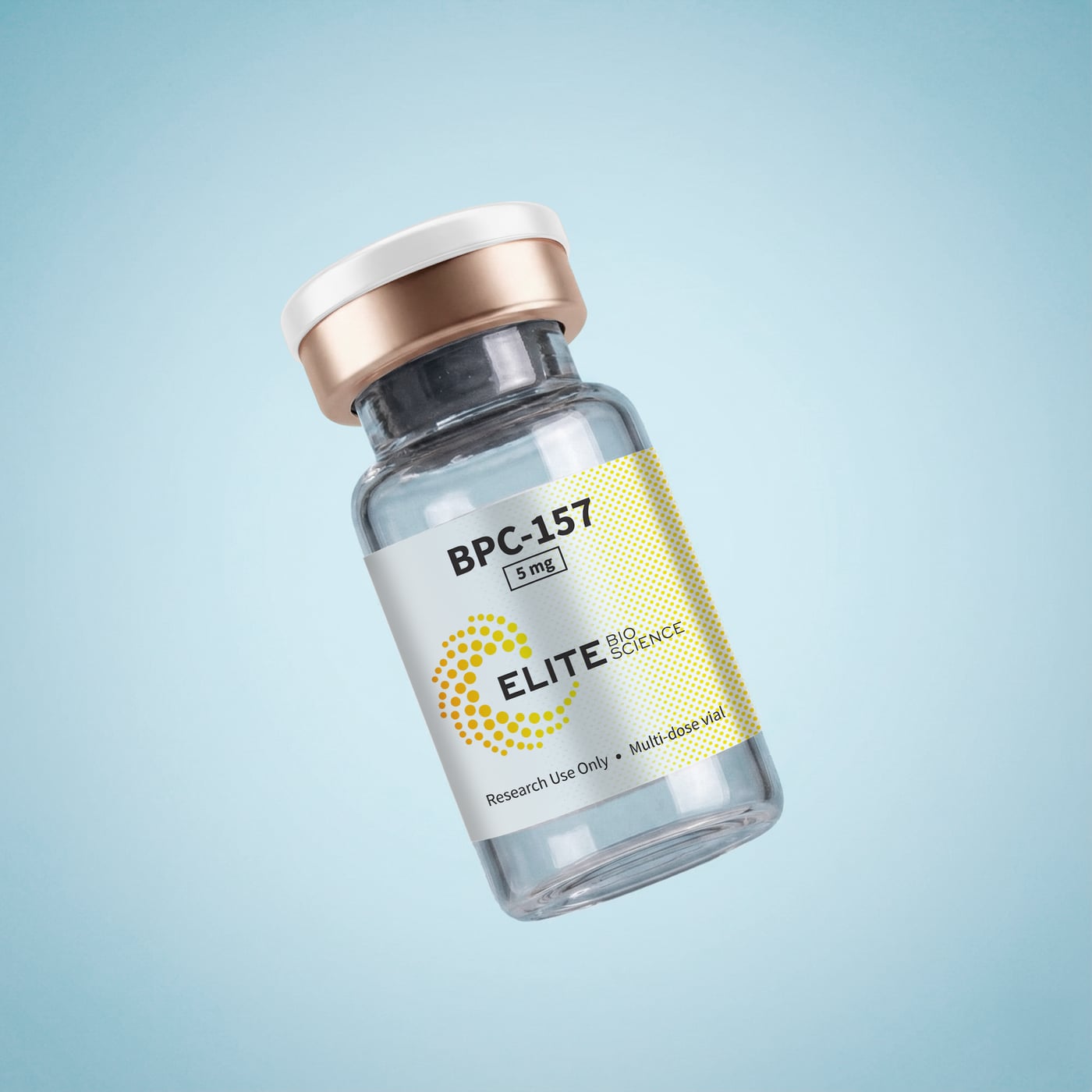
If you are researching BPC-157, you can look at the lab-tested form below. If you want a real conversation about what this result does and does not mean for you, start a private chat with our team — we would rather help you think it through than sell you something on a stretch.

What it does and does not tell you
StudyIt tells you the compound is associated with accelerated tendon and ligament repair in animal and lab models. It does not tell you that BPC-157 heals human tendons. That is a different kind of claim, with a different standard of evidence, and the controlled human trials that would support it are largely ahead of the field.
Read this result as the foundation of the BPC-157 story: in preclinical models, the compound is associated with the repair effects you would predict. Everything else built on this peptide is built on this single, preclinical result. The foundation is interesting. The building — what it does in people, for which outcomes, at what level — is a different kind of evidence, and a different conversation.
The cleanest way to hold this result is as the foundation, not the building. Anyone who tells you 'BPC-157 repairs tendons' and hands you a preclinical finding as if it were a human outcome is doing the single most common move in the bad version of this story. The preclinical finding is real. The human claim is not what the preclinical finding shows. Hold those apart.
What it means in practice / why it matters
StudyIn plain terms: in the research models that have been studied, BPC-157 was associated with faster tendon and ligament repair. That is worth a lot as a research lead — it is the reason the rest of the BPC-157 literature exists.
What it does not mean is that the result automatically carries over to people, or that a sustained approach would behave the same way as the preclinical models. The preclinical findings are a lead, not a recommendation. Anyone who reads 'accelerated repair in animal models' and hands you back 'this will fix your tendon' is filling in gaps the research did not address.
The practical read is this: BPC-157 is worth your attention as a research topic because the preclinical findings are consistent. What the data do not hand you is a human-outcome claim, a protocol, or a promise. The honest version keeps the preclinical result and leaves the human gap visible. That is the version we will keep here.
More from this research
Talk it through with a specialist
Private, written, no commitment. A research specialist replies on your timeline.
This article is provided for educational purposes only and does not constitute medical advice. These statements have not been evaluated by the FDA and are not intended to diagnose, treat, cure, or prevent any disease. For research use only.