Long History, Thin Database: The Safety Story
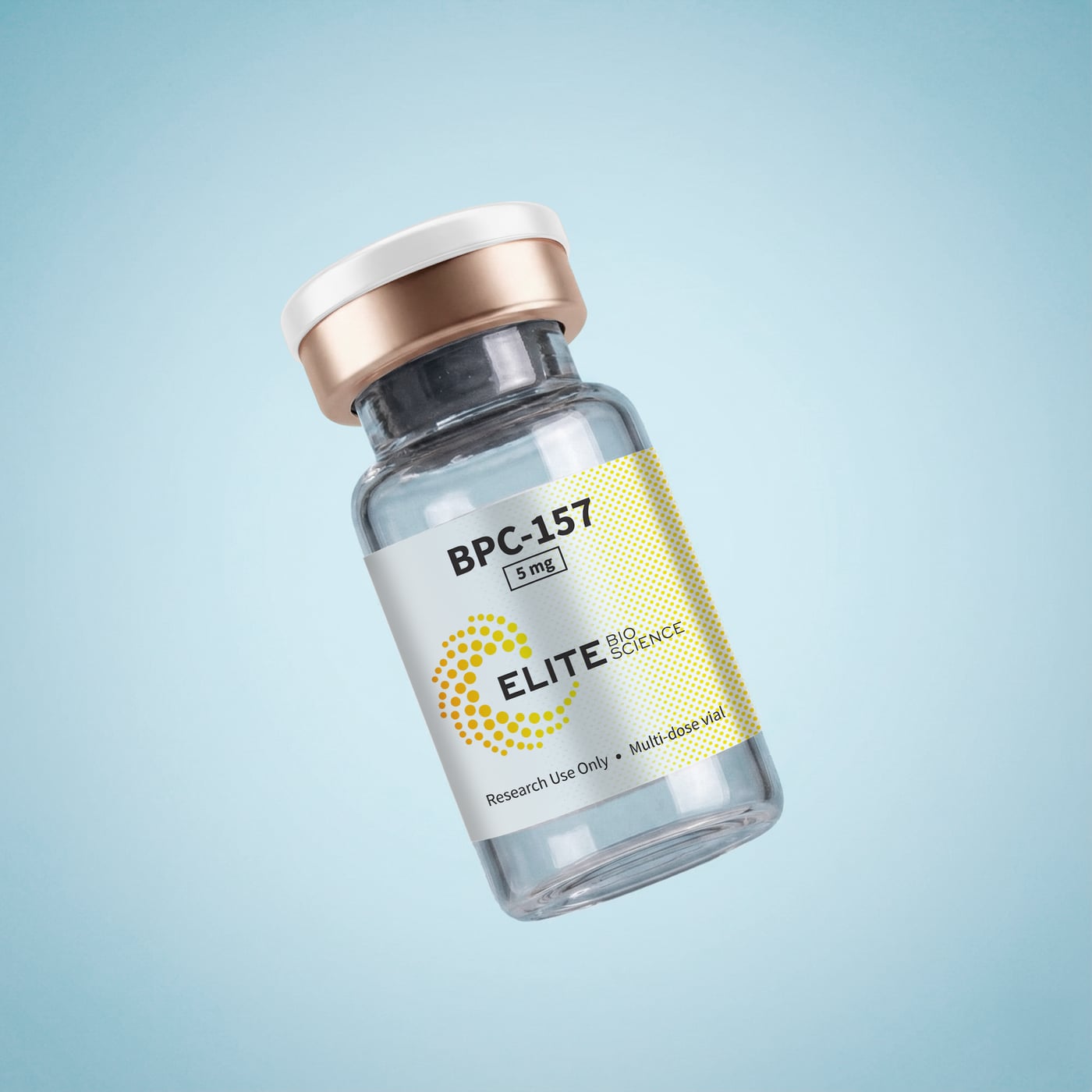
The compound has a long history of described use but a thin formal safety database in humans. Here is exactly how that is — and is not — a safety claim.
The fourth result is the safety story. It is the one most often overstated, so this article is careful about what the review actually said. A long history of described use is not the same as a formal safety database, and the difference matters.
Safety is the area where overclaiming does the most damage, because people make real decisions based on it. The honest move is to take the long history of described use for what it is — a real but informal kind of evidence — and refuse the extrapolation it did not earn.
The same honest line applies here as everywhere in this library: a long history of described use is not a formal safety claim, not a population-wide claim, and not a promise. We will hold that line carefully, because it is exactly the line that gets blurred when safety claims are used to sell.
What was measured / what the data showed
StudyThe review noted that BPC-157 has a long history of described use, but that the formal safety database in humans is thin. That is an honest summary of the situation: the compound has been around and reportedly used for a long time, but the controlled, systematic safety studies that would make a formal safety claim are largely missing.
That is a real description of a real state of evidence. It tells you the compound is not new and untested-in-practice, but it also tells you the formal safety work that a clinical intervention would rest on has not been done.
It is worth being precise about what 'long history of described use' means. It means the compound has been written about, discussed, and reportedly used by many people over a long period, without a lot of formal safety reporting. That is a kind of evidence — it is not nothing. But it is not the same as a controlled safety study, and reading it as if it were is the first and most common distortion of safety in this category.
What it does and does not mean
StudyIt does not mean BPC-157 is safe. It means the compound has been around long enough that obvious acute problems would likely have been noticed, but that the systematic safety work has not been done. Those are very different statements.
If anyone tells you BPC-157 is 'safe' based on a long history of described use, they are stretching the word. The honest version is: the informal safety signal is reassuring as far as it goes, and it does not go nearly as far as the supplement-aisle version of the story implies. Formal, long-term, population-wide safety data — the kind that supports a real safety claim — is a different and higher standard of evidence.
There is also a population question that popular coverage almost never mentions. A safety signal, even a formal one, travels with the population it was measured in. People with conditions the literature did not account for, people on medications, people outside the age ranges described — the signal does not automatically extend to them. This is not a hedge; it is just how evidence works. A safety claim is only as wide as the population it was measured in, and a thin formal database is a narrow claim.
How to read safety claims in this field
StudyA useful rule for reading safety in this category, and honestly in most of the longevity and recovery literature: informal history is the floor, not the ceiling. A long history of described use is the minimum you would want before taking a compound seriously. It is never the last word, and it is never the whole safety story.
The longer and larger and more formal the safety record, the more it counts. A long informal history counts for something. A controlled safety study counts for more. A large, long-term, formal database across more people counts for most. The absence of a formal database is not the same as demonstrated safety over time, and the difference between those two is exactly where most of the bad safety claims in this field live.
The practical takeaway: take the long history of described use for what it is — a real but informal signal — and leave the extrapolation on the table. If you want to talk through what the safety record does and does not cover for your situation, that is a private conversation worth having with someone who will be honest about the edges of the evidence, not a supplement label that pretends the edges do not exist.
More from this research
Talk it through with a specialist
Private, written, no commitment. A research specialist replies on your timeline.
This article is provided for educational purposes only and does not constitute medical advice. These statements have not been evaluated by the FDA and are not intended to diagnose, treat, cure, or prevent any disease. For research use only.