Confidence & Body
Research compounds for body and appearance goals, with a clear first step.
Kisspeptin: The Master Switch That Runs Your Hormones
If you have ever looked into testosterone, estrogen, drive, fertility, or recovery, you have been looking at the downstream stuff. Kisspeptin sits upstream of all of it. Here is what the research actually shows — no jargon, no hype.
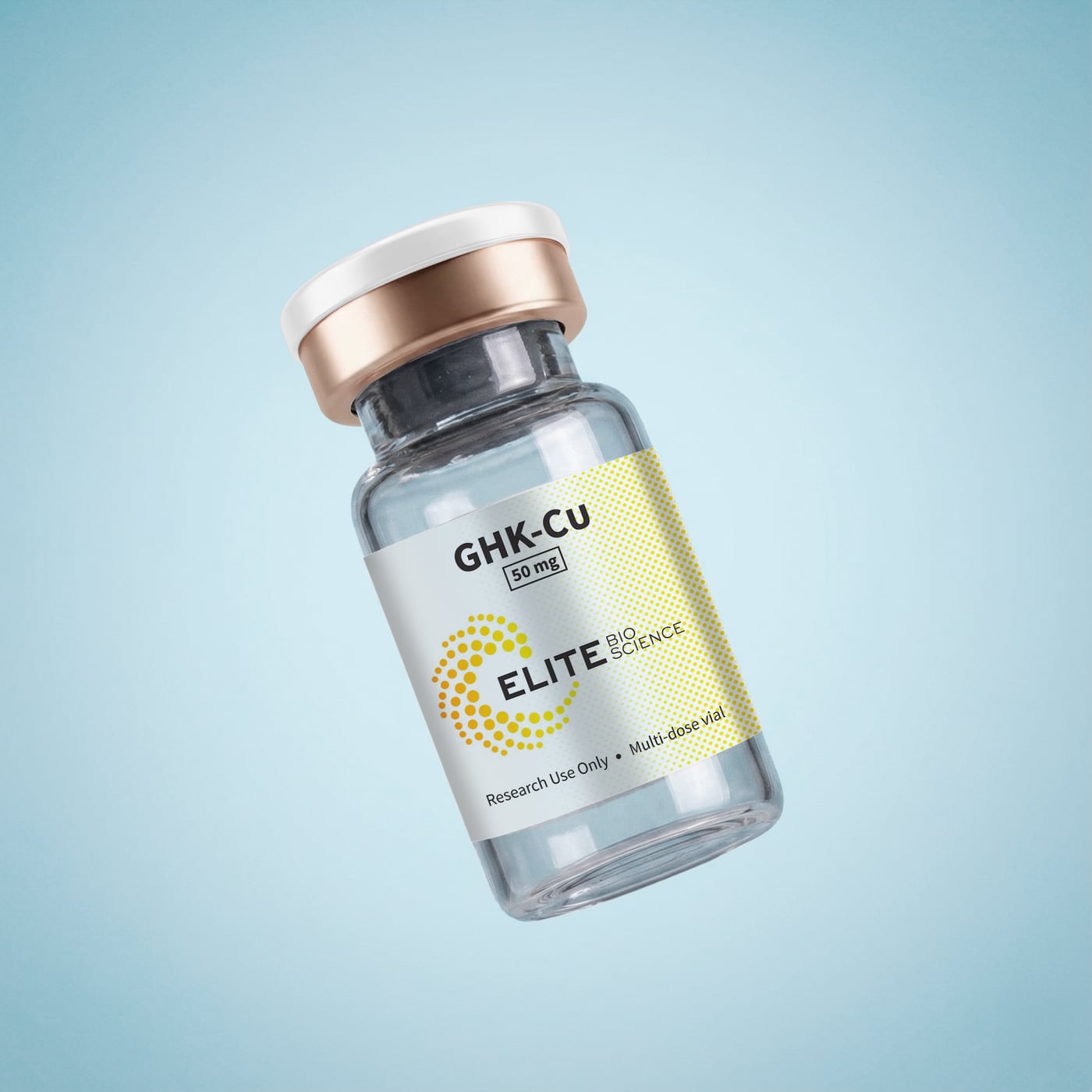
GHK-Cu: The Copper Peptide Studied for Skin and Repair
If you have looked into skin, repair, or the appearance side of the longevity conversation, you have run into copper peptides. GHK-Cu is the one researchers actually study. Here is what the published research shows, in plain English.
The LH Surge: Why Kisspeptin Hits So Hard
The single most-cited result from the kisspeptin research is the rise in luteinizing hormone. Here is what was actually measured, in plain English.
Why GHK-Cu Fades As You Get Older
GHK-Cu levels decline with age in the studied tissues. Here is what that trend does and does not tell you, in plain English.
Fast and Lasting: How Quickly Kisspeptin Works
A one-shot hormone spike and a sustained signal are very different things. The kisspeptin response was both fast and steady. Here is why that combination matters.
Skin Regeneration in Research Models: What Was Actually Measured
In research and ex-vivo models, GHK-Cu was associated with skin regeneration and improved repair markers. Here is what was actually measured — and what was not.
Why Women in the Luteal Phase Responded Most
The kisspeptin response was not uniform — women studied during the luteal phase of the cycle responded more than any other group. Here is what that does and does not mean.
The Gene-Effect: Why GHK-Cu Hits So Many Pathways at Once
GHK-Cu shifts the expression of a broad set of genes tied to tissue repair and the extracellular matrix. Here is what that broad effect does and does not mean.
The Safety Story: What the Study Did and Did Not Show
No serious adverse events were reported across the studied doses. Here is exactly how that is — and is not — a safety claim.
The Honest Read on the Human Evidence
Most GHK-Cu evidence comes from lab and ex-vivo work plus small studies; large controlled human trials are limited. Here is exactly how to read that, honestly.
Have a question about your work?
Talk it through with a research specialist — private, written, no commitment.